2025:
EMBER
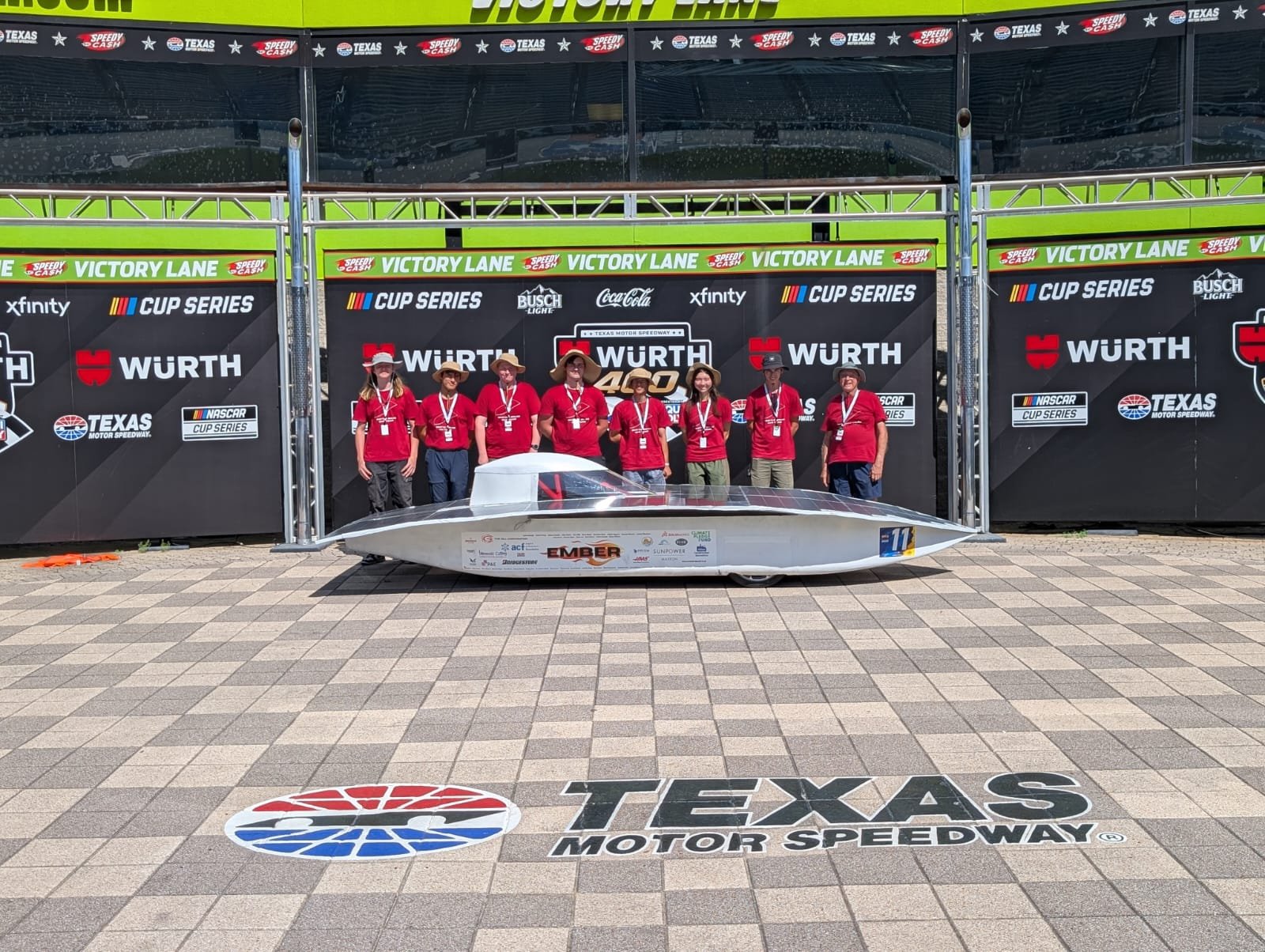
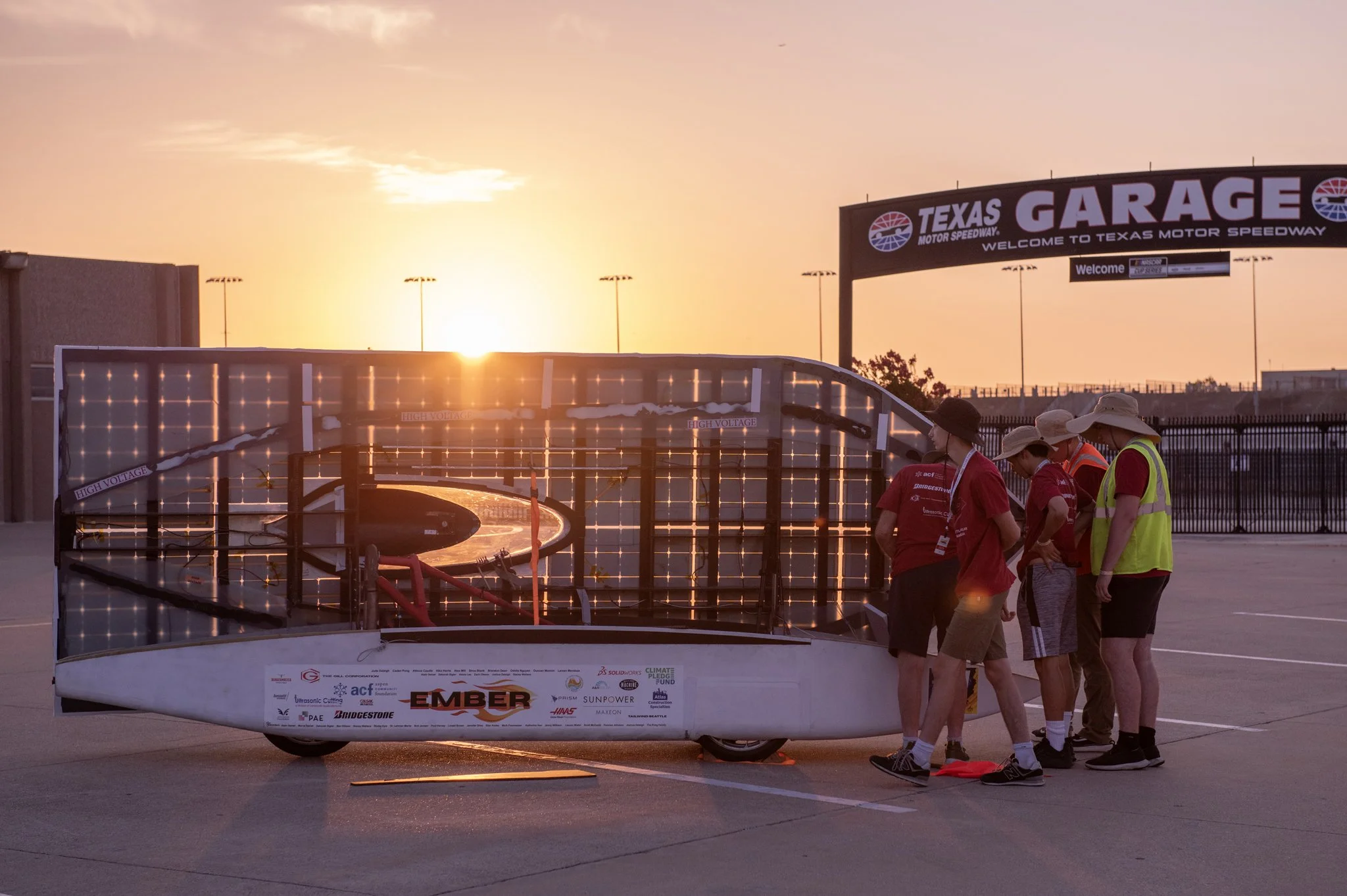
Ember is our most recent car, built during one of the hardest times for our team. After 2024, our team had no resources, and many of our members graduated, leaving behind a team of 7 students, unsure if we would be able to continue. But from the embers, you can light a fire.
By January 2025, we had managed to get the team together again under the banner of our new nonprofit Seattle Solar Car Team, and we were ready to start designing. The plan? A similar concept to the 2024 car Sockeye, a sleek single body car, but this time we would optimize the aerodynamics, and remove the artificial 4 square meter solar array size limit we put on Sockeye. Electrically, a more advanced system was to be designed, utilizing more custom components and converters, and the solar array and battery would once again be done in-house.
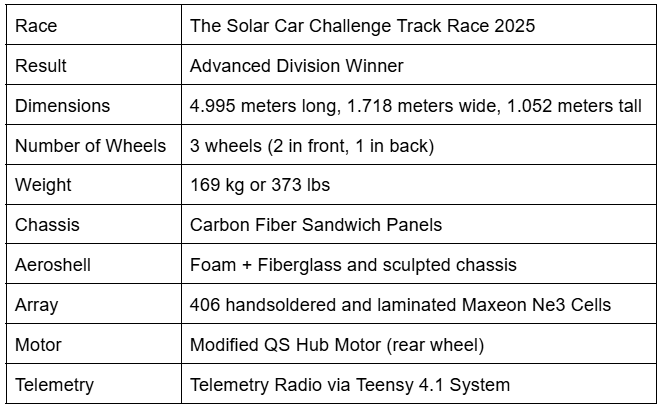
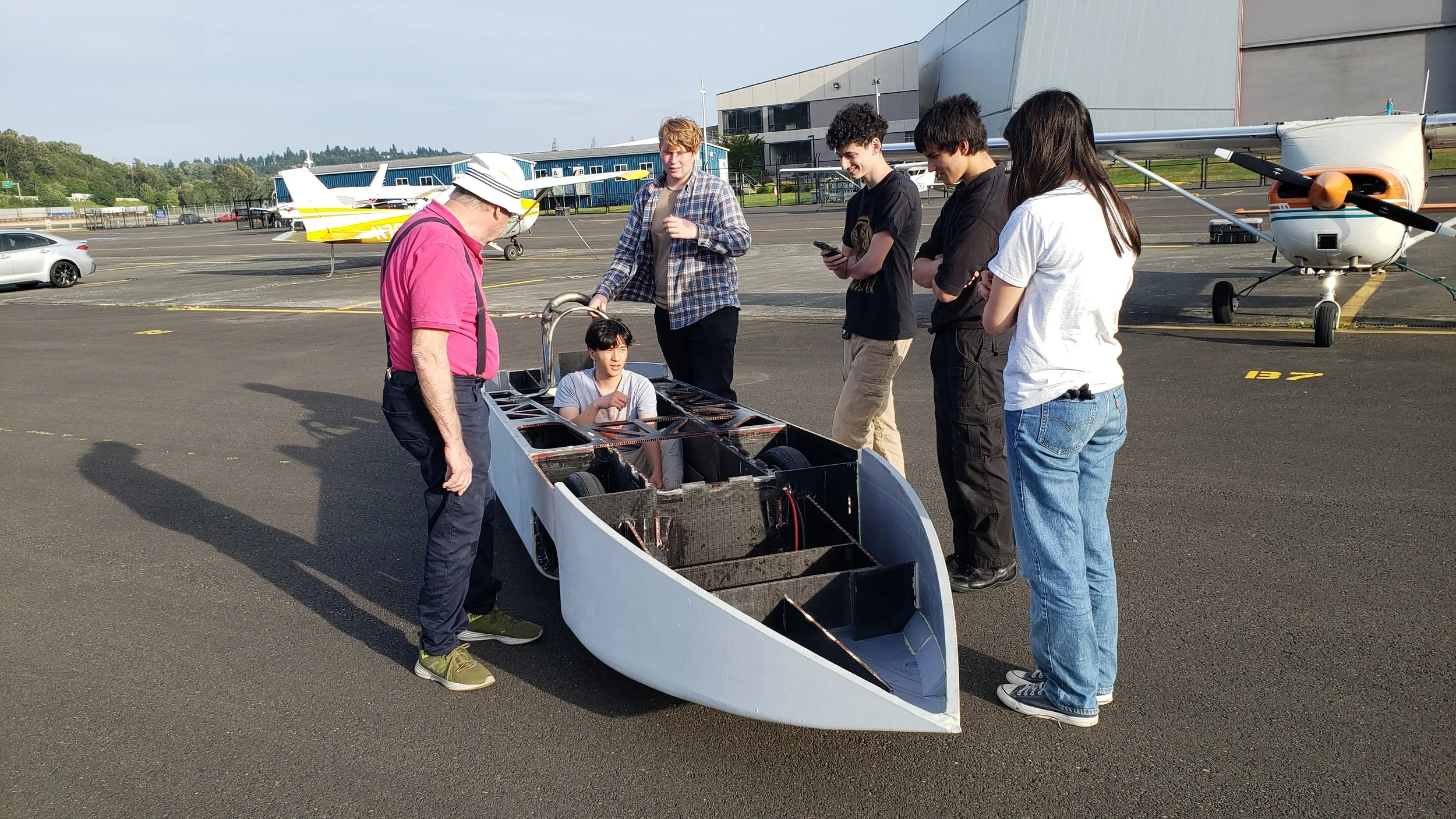
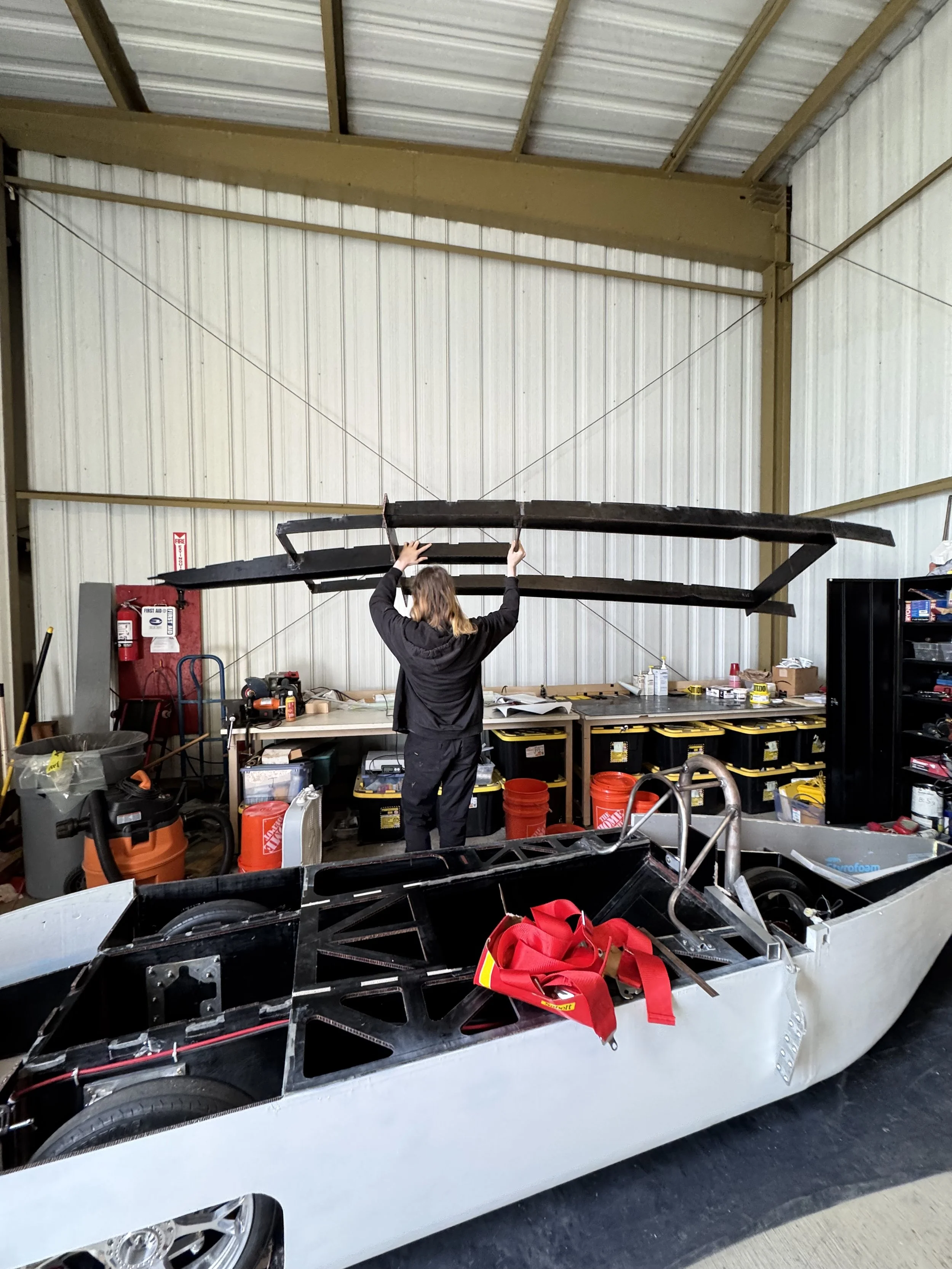
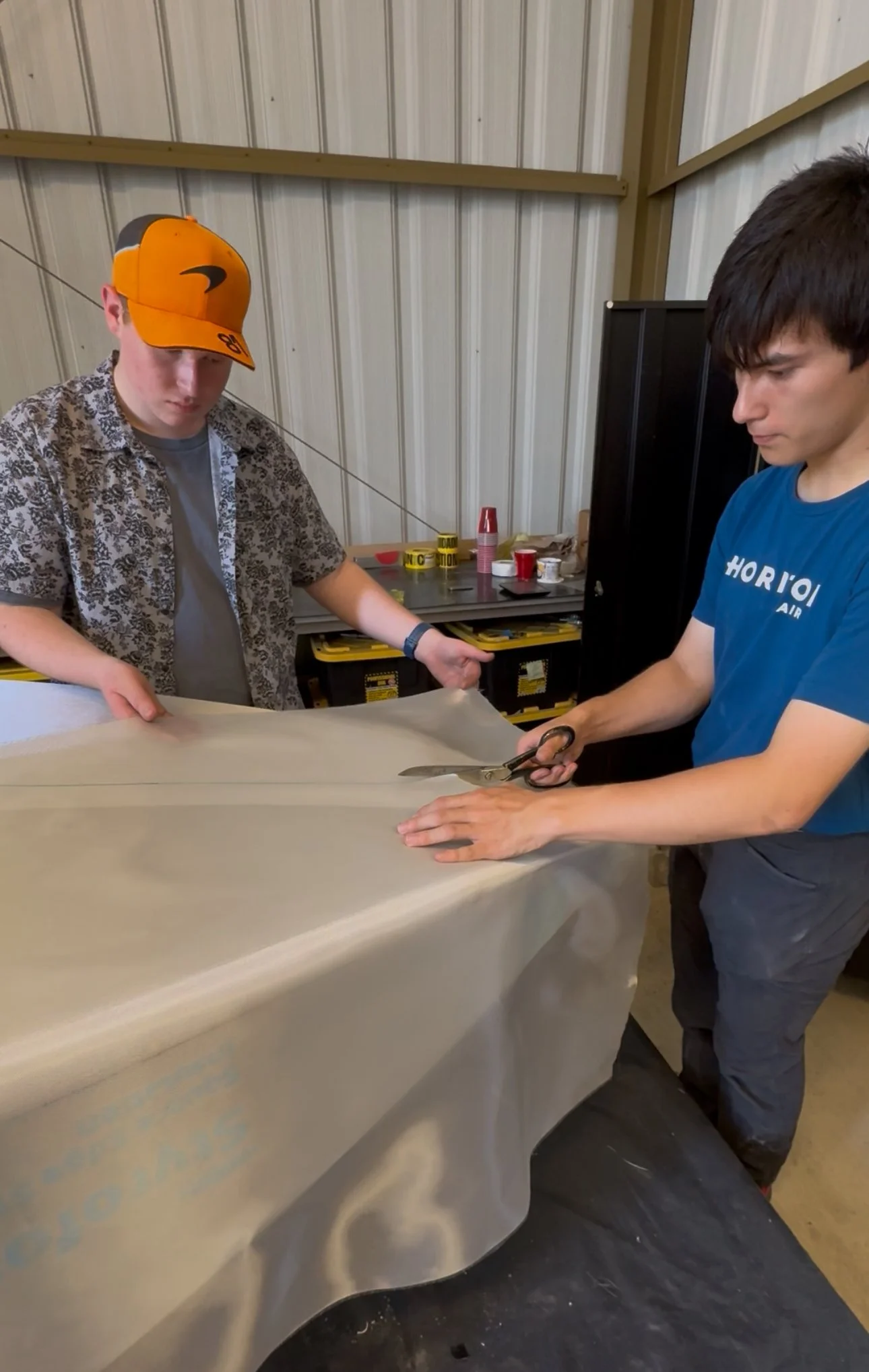
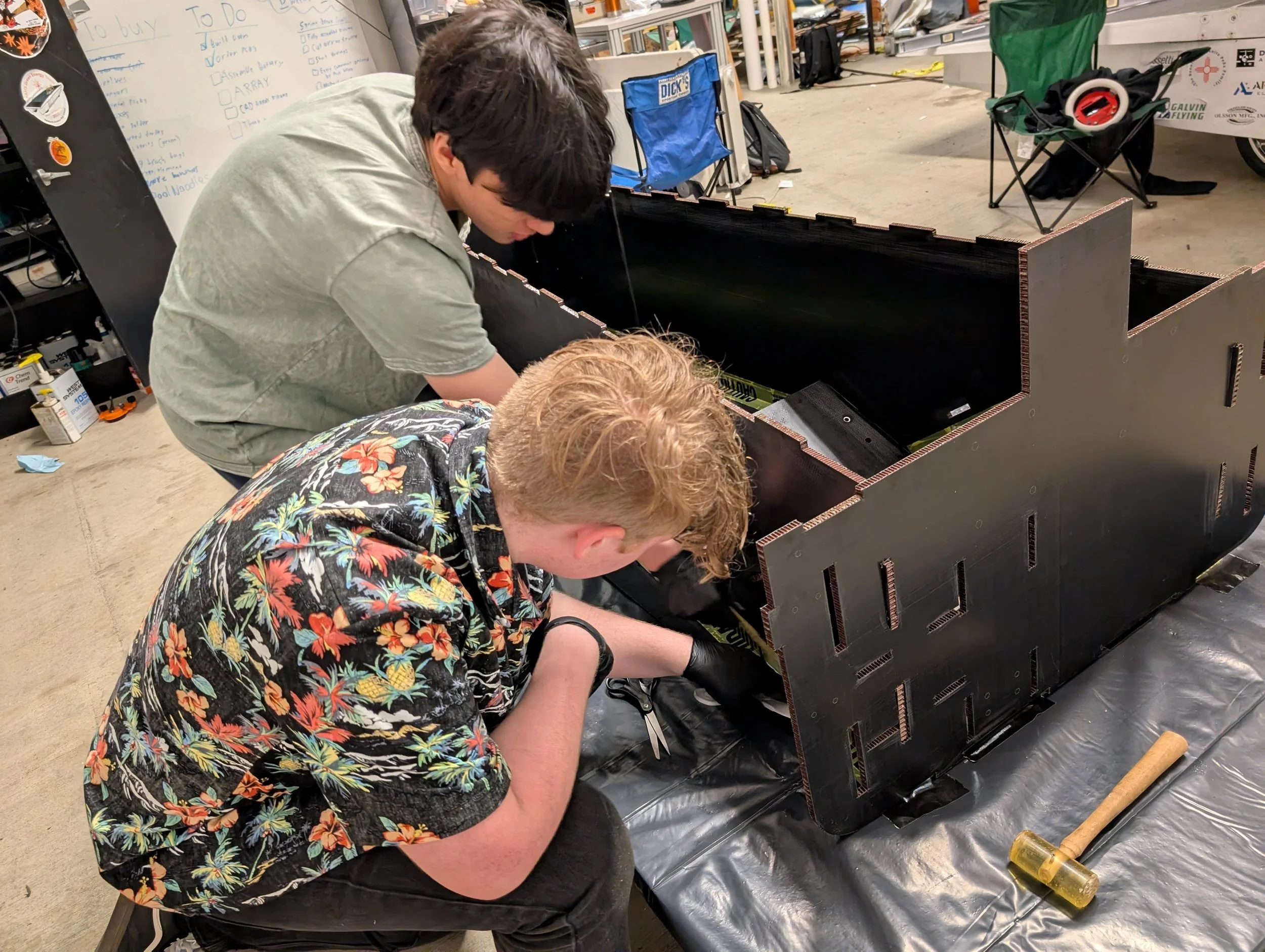
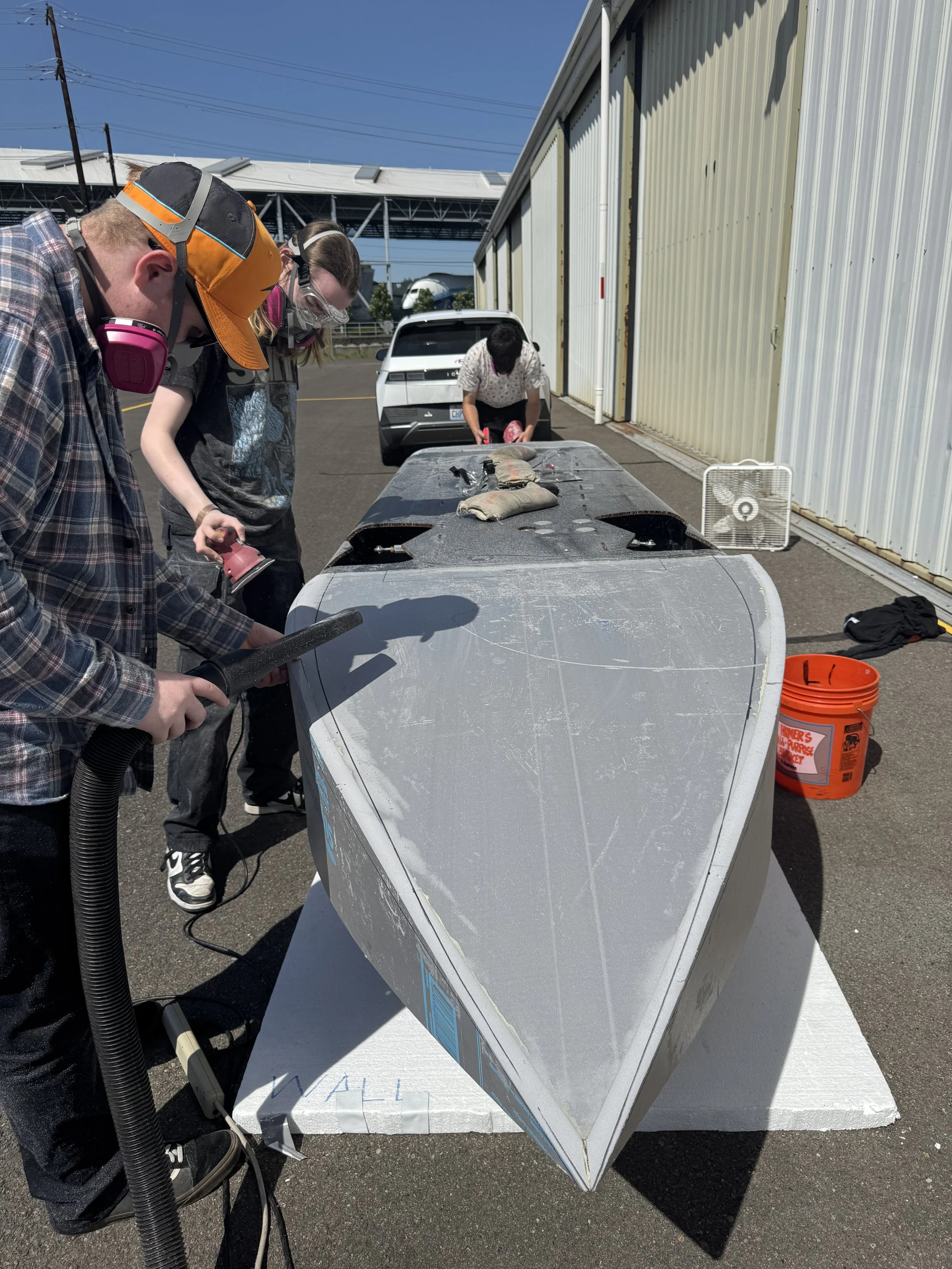
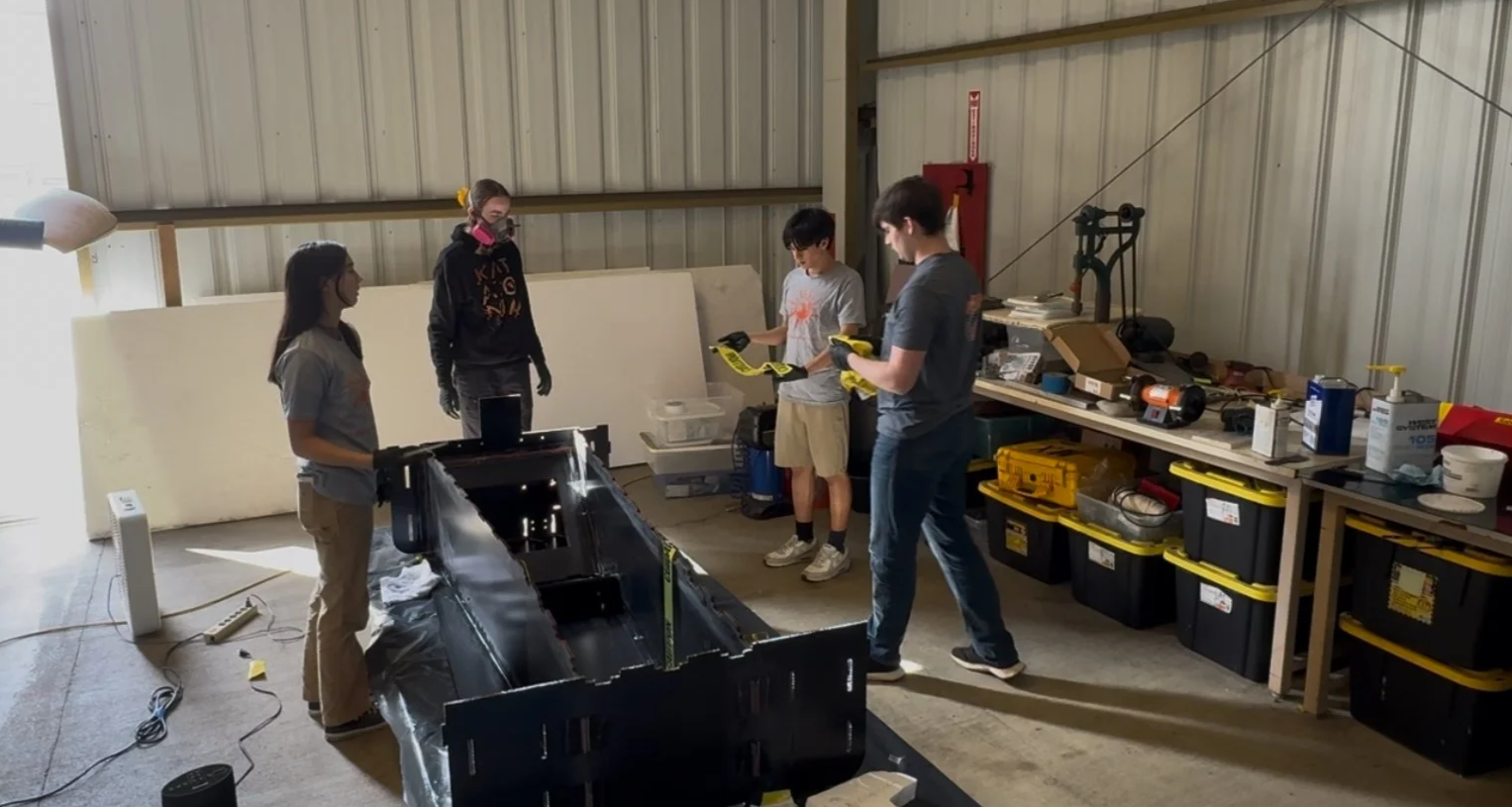
By March 23rd, we had finished the design, raised enough money for the initial chassis, and started to assemble the frame, less than four months before the departure date for Texas. Parts orders for the custom suspension and steering assemblies were placed, and we realized how far behind we were. Unfortunately, due to time and cost constraints, a molded aeroshell would not be possible, but the mechanical team had found a genius way to get around that, using foam and fiberglass, as well as part of the chassis itself to direct airflow.
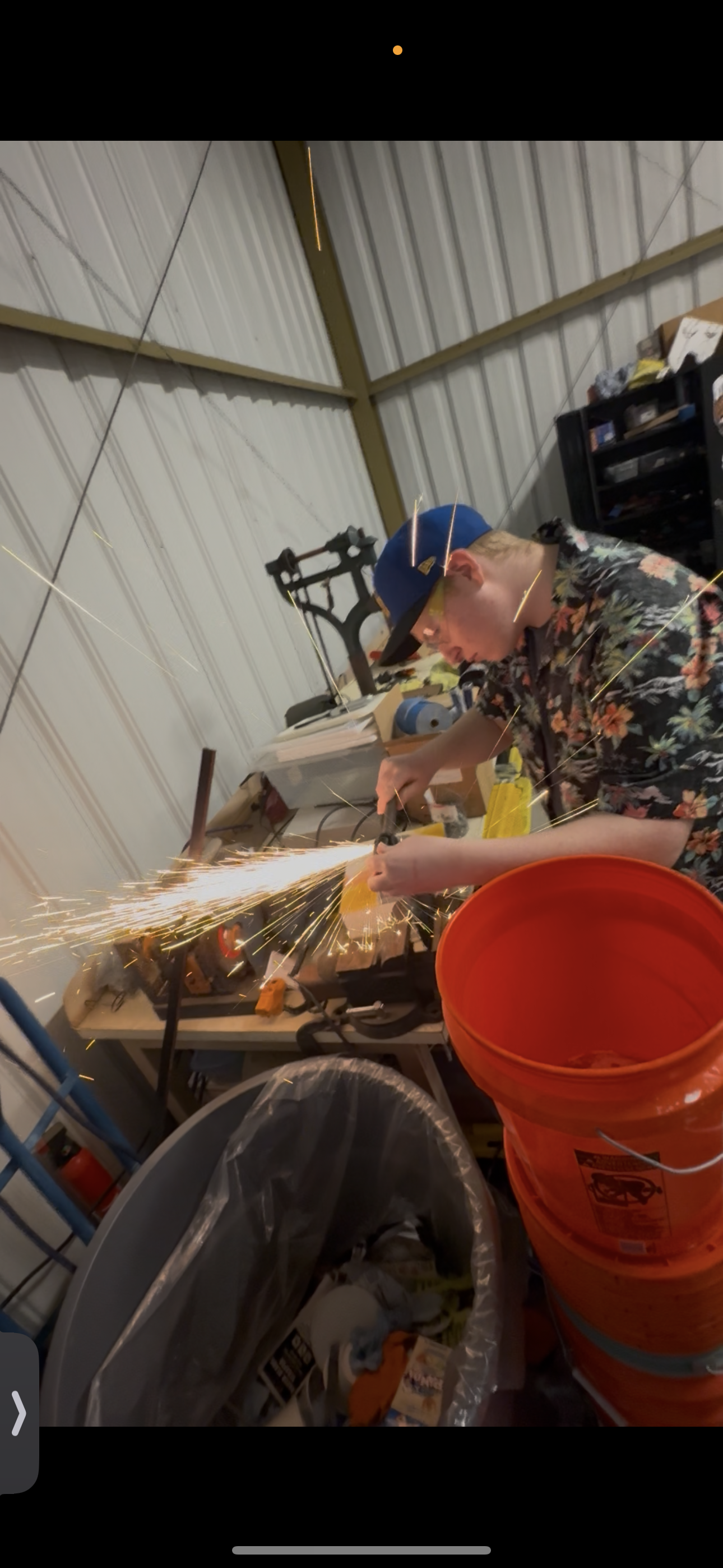
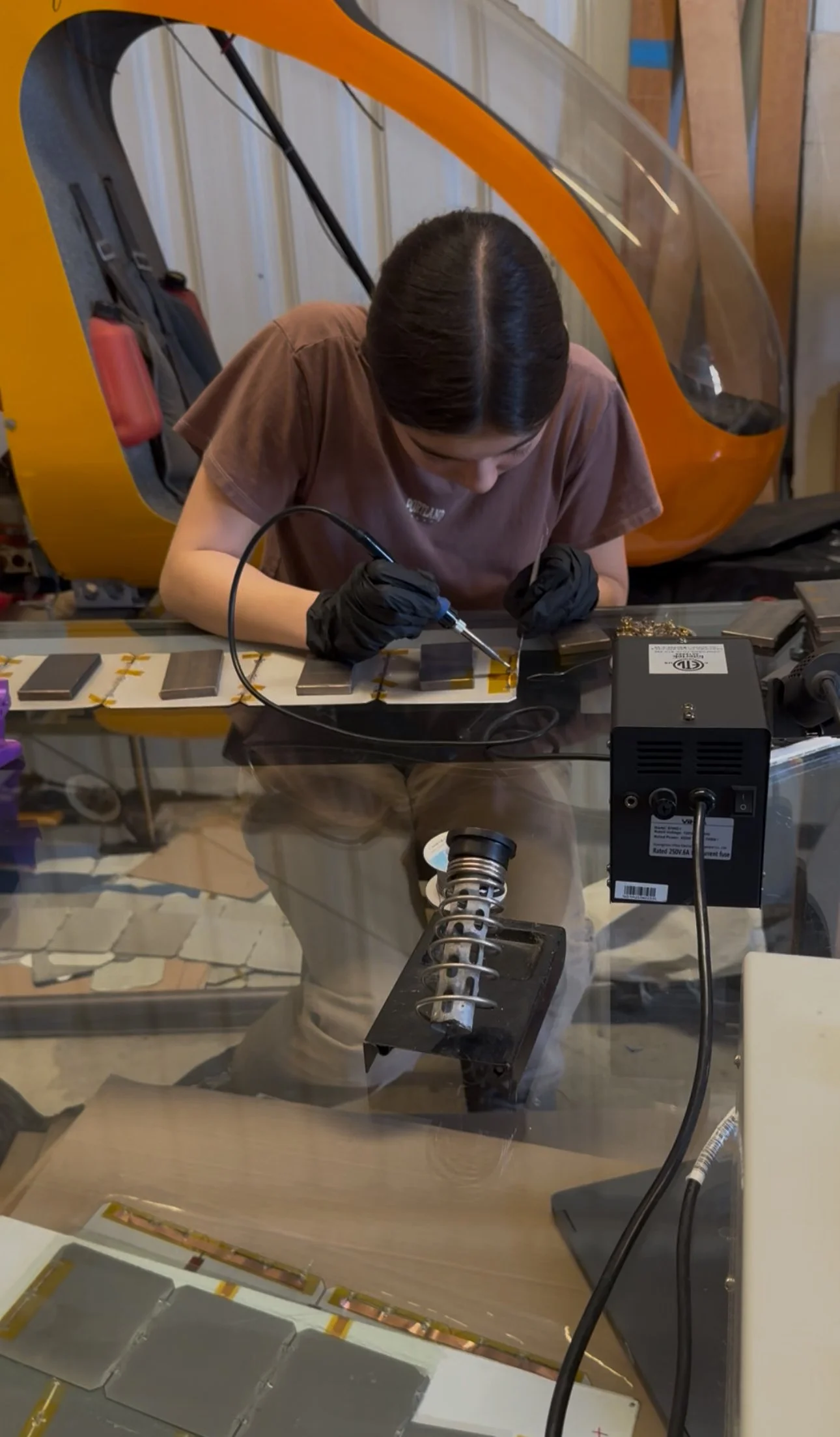
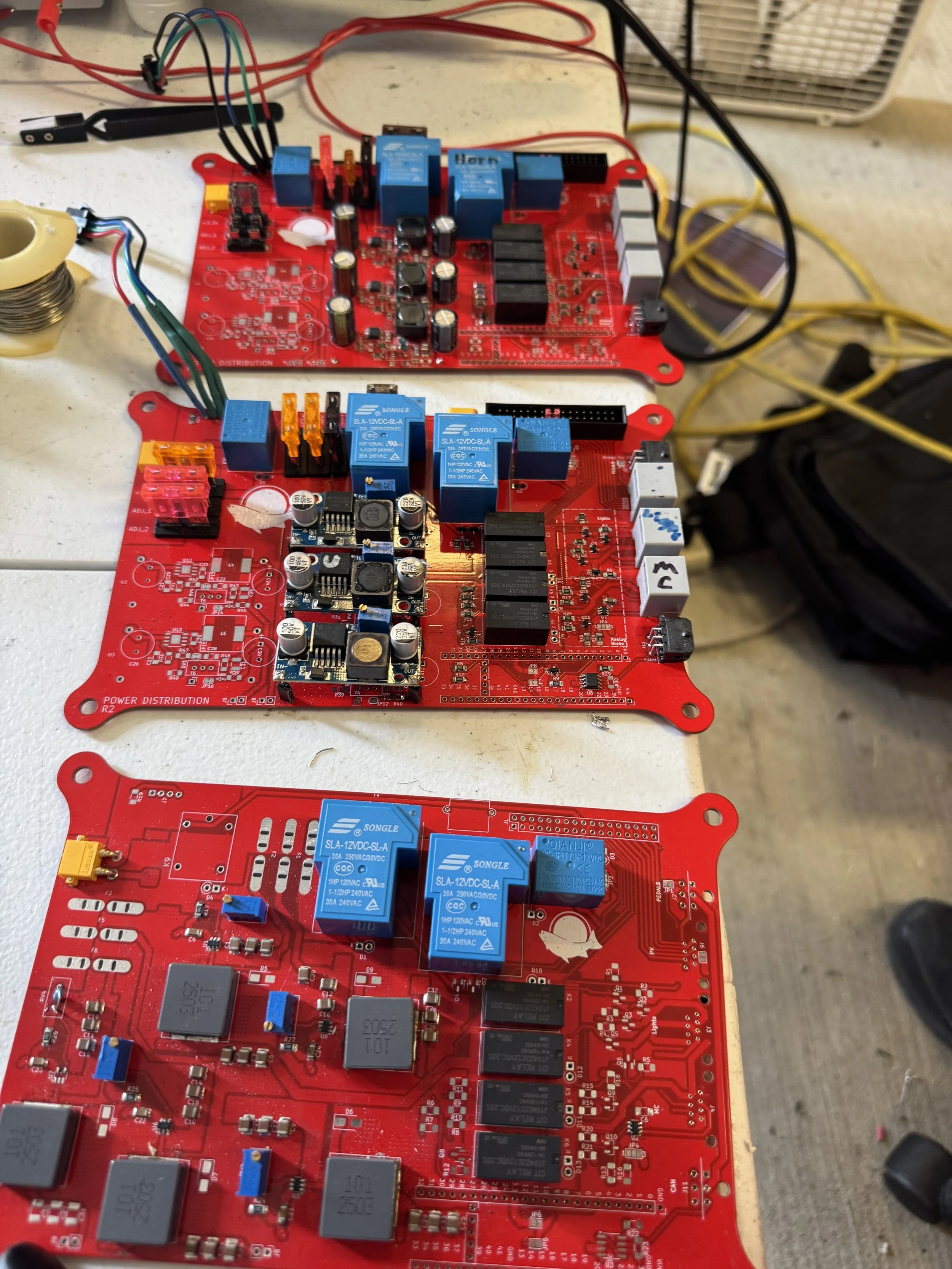
Electrically, the system was designed by this point, and our custom PCBs were starting to arrive. We had started assembling the battery, and we had acquired a laminator for our hand-soldered solar cells, but given the 10A power supply constraints of the workspace we were in, we could only run the laminator at certain times. This phase of the process was intense for all sub-teams, with most members putting in upwards of 40 hours a week, on top of schoolwork.
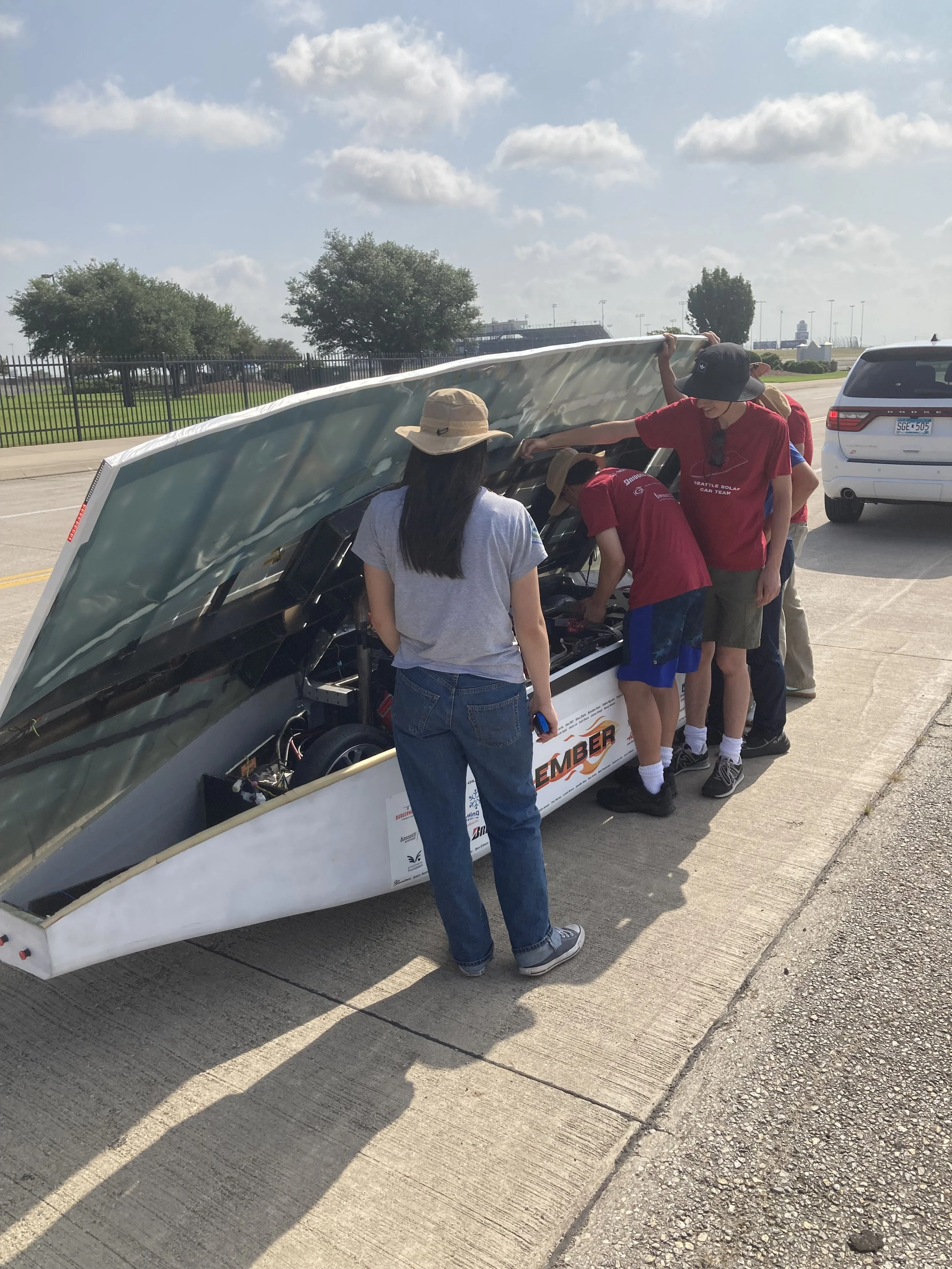
By July 7th, the car was ready to ship out to Texas, but unfortunately, due to the rushed timeline, no full speed testing in Seattle would be completed. By the time the team arrived in Texas on the 12th, we had only 5 days to test and find issues before scrutineering on the 17th. This phase involved a lot of sleepless nights for the team, troubleshooting issues with the electrical system, and dealing with unfinished parts of the mechanical system. By the end of the 5 days though, we had a car that could drive well, and the testing data showed it surpassed even Sockeye for efficiency, and weight, and it had the advantage of an additional 57% more solar cells over the power starved 2024 car.
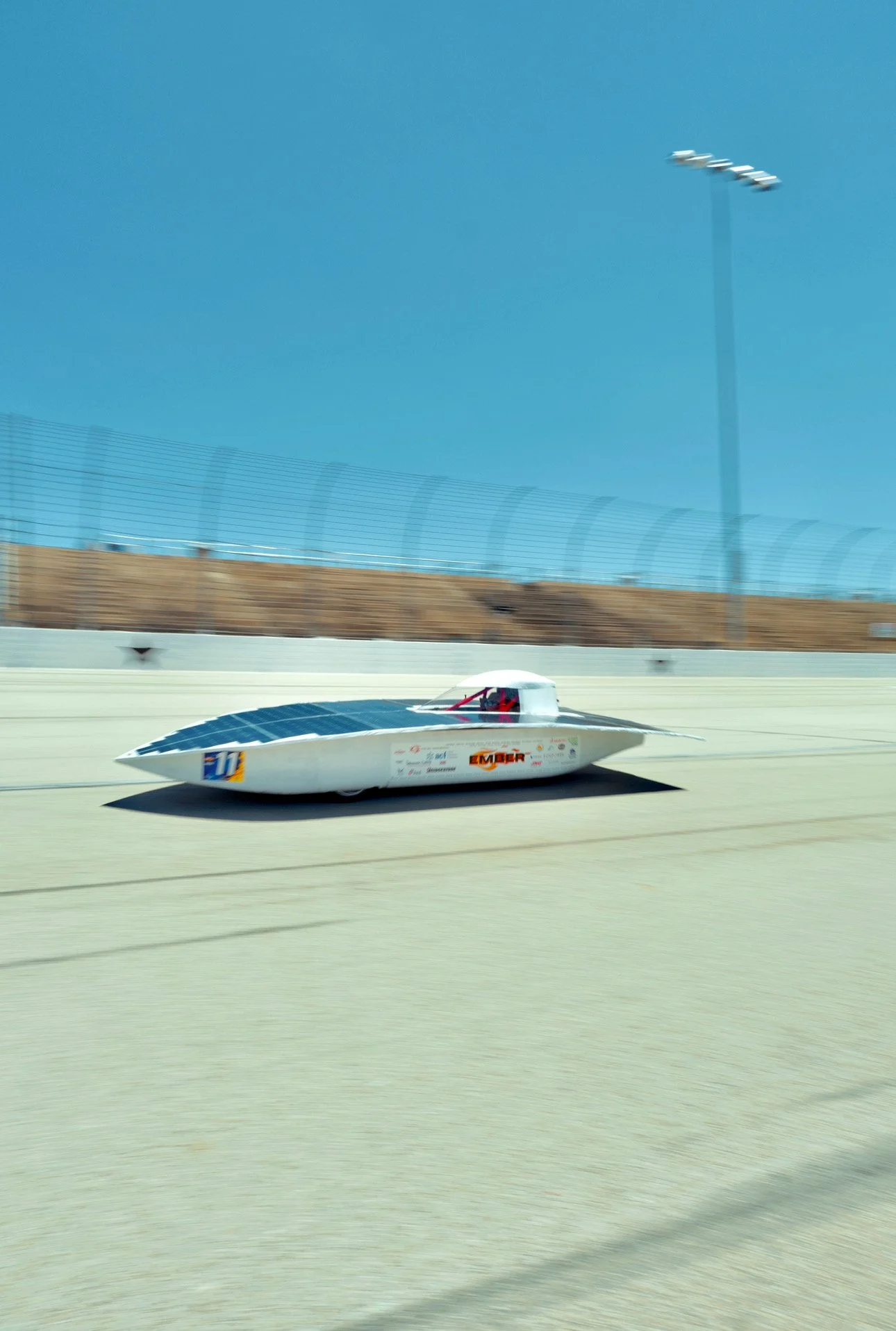
The race itself was expected by the team to be challenging, being the fastest car on track, as well as the lightest, because, due to race rules, passing under caution, passing wider than allowed, or passing in certain zones wasn’t legal, and given the congested nature of the track, it was a problem. In addition, a new speed limit of 60 MPH was instituted in turn 1, and due to our speed, this greatly limited operations. Because of this, the team went into the race knowing that running full speed may not be possible.
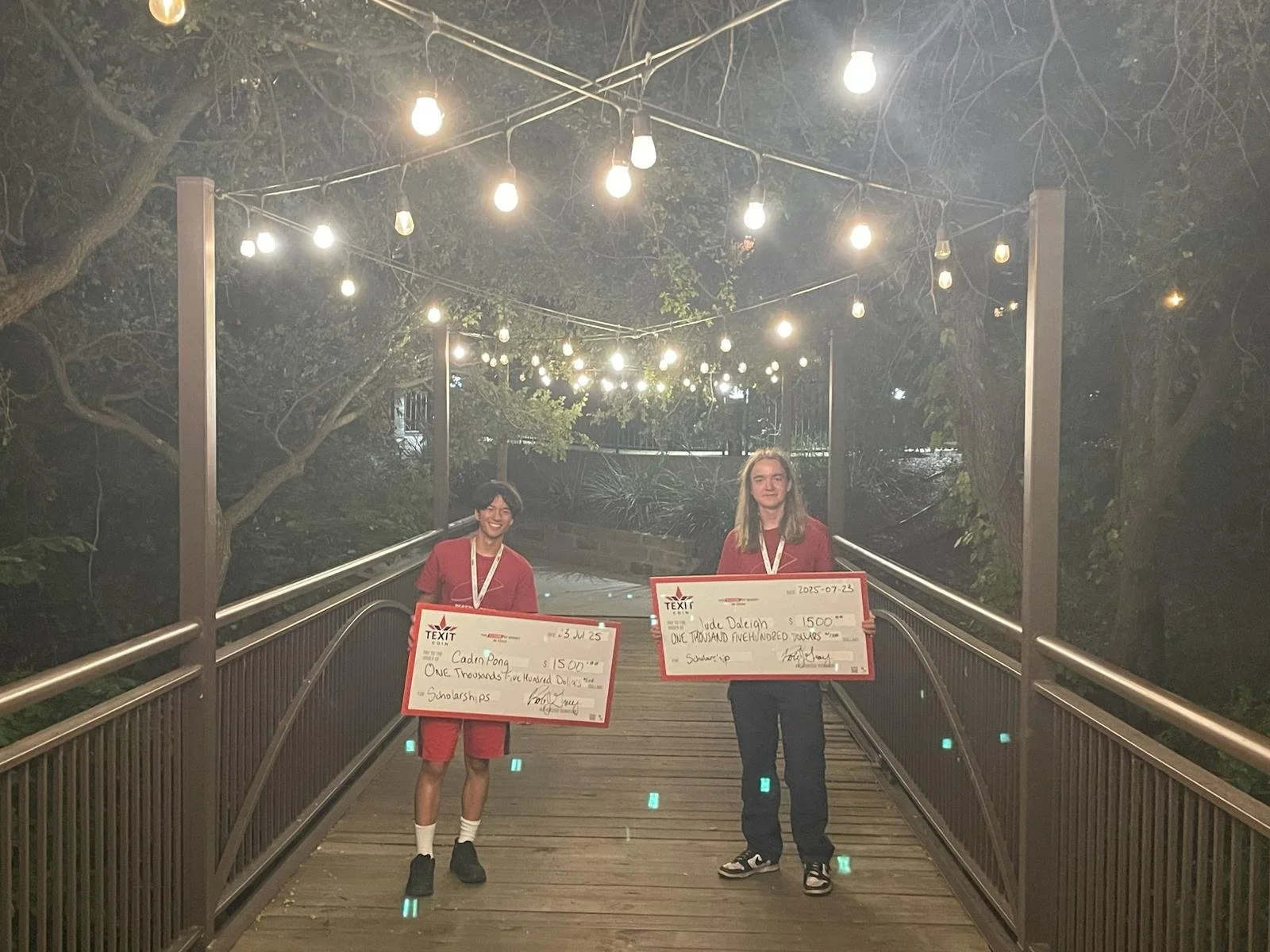
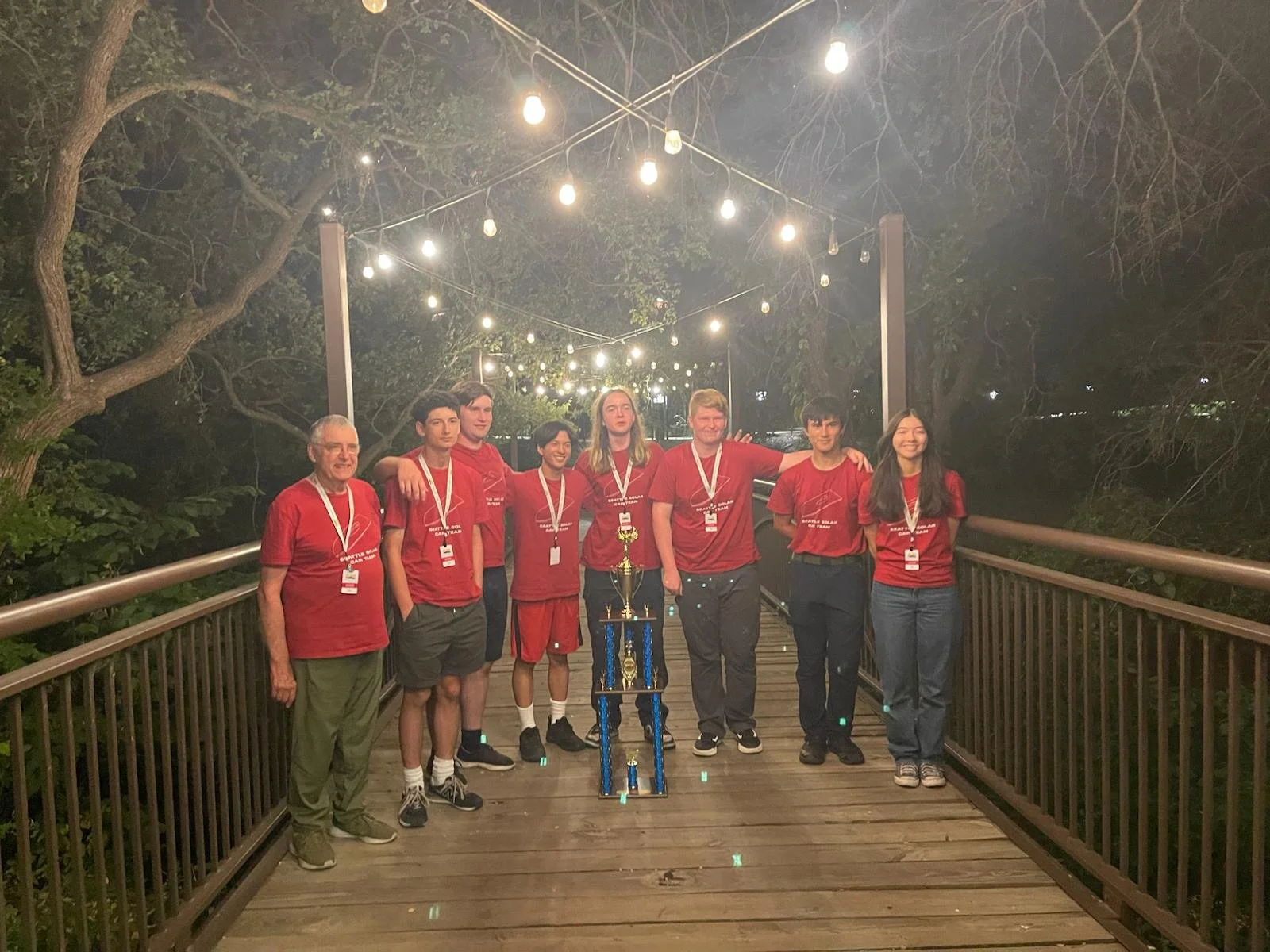
Day 1 of racing was spent collecting high-quality data, and by that point we knew the effectiveness of this car. It worked well enough that we didn’t even need to charge the car at the end of the racing day, but it also exposed an issue: where strategy would dictate that for optimal distance we would want to average in the high 50s to mid 60s, traffic and rules complicated that, so the team opted for a much slower cruising speed in the interest of safety, which had the added benefit of not needing to stay after race days to recharge the battery. Despite running at speeds often 15 to 20 miles an hour below optimal speed, we still managed to take 1st place in the Advanced Division by almost 200 miles, as well as tying our previous record.
Overall, our 2025 car Ember was a huge step forward for the team, optimizing processes, cutting costs, and creating our first “Racebreaker” car, a car held only by the confines of the challenge and not by efficiency. We learned the basics in 2019. In 2022 we mastered operations. 2023 and 2024 pushed our technology forward, and Ember is the bridge to something new. All the lessons and knowledge gained by this team will carry forward to new cars and new endeavors.
The Solar Car Challenge’s first “Racebreaker” car
Cost Effective Design
Ember was designed to be as efficient as possible, but it was also designed to be extremely fast to build, and cheap to source. Due to extremely efficient use of materials and building strategies, Ember was our most efficient car, and also the cheapest and simplest. Some trade offs that shaped this was the decision to abandon a molded aeroshell in favor of a fiberglass and foam solution, as well as a much cheaper, albeit lower efficiency motor.
Embedded Aerodynamics
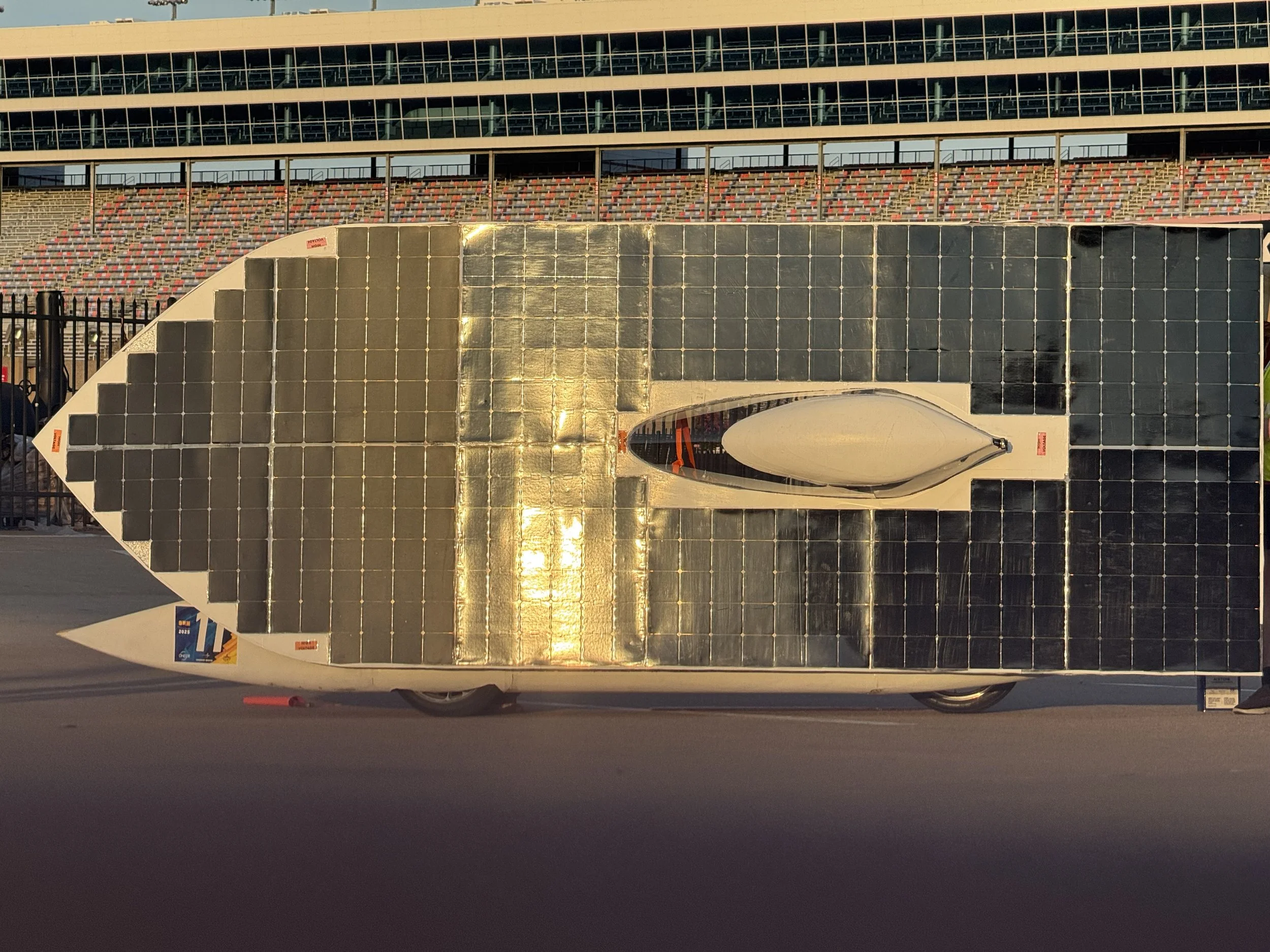
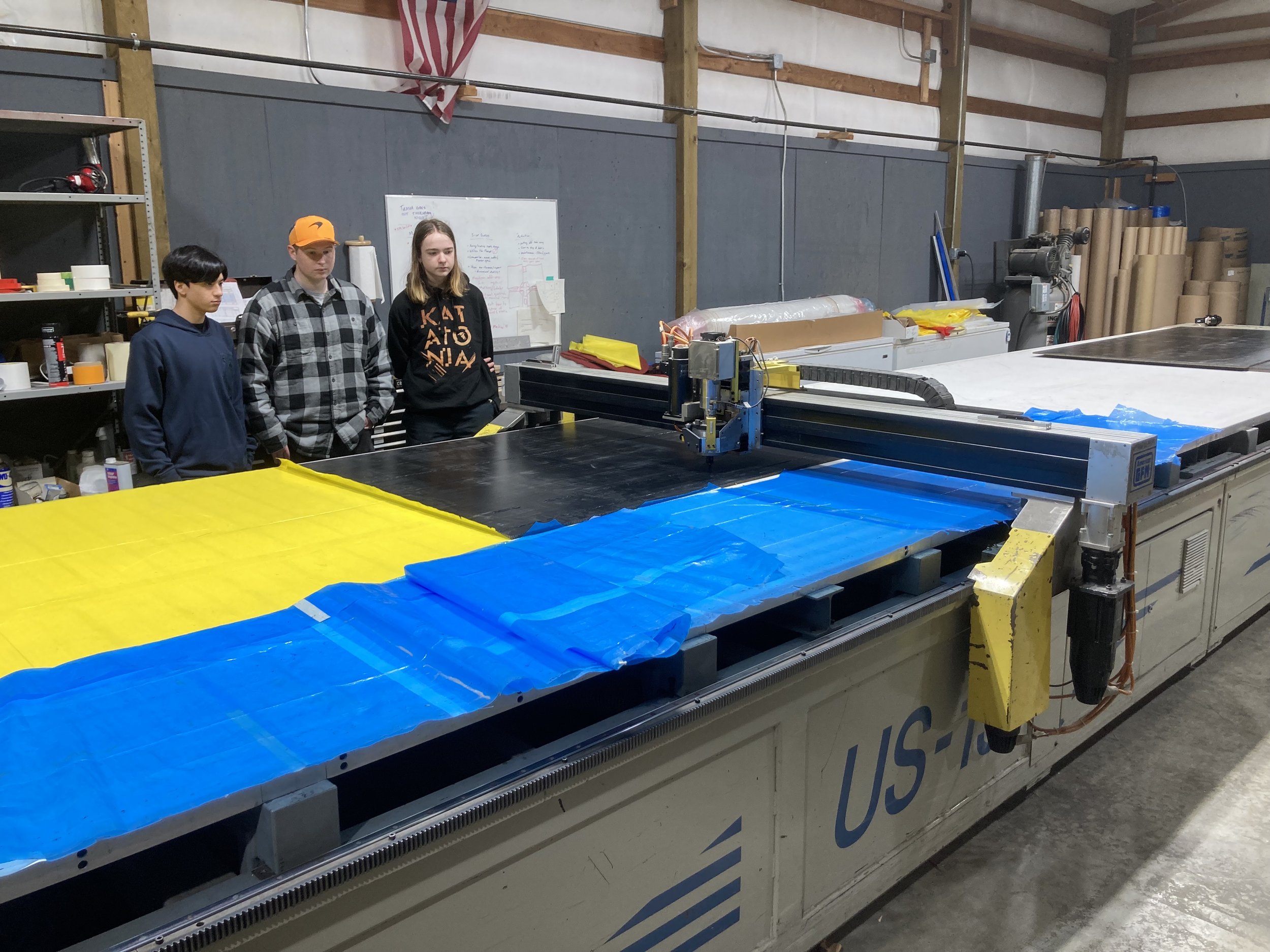
One of the ways that the mechanical team used to reduce weight and cost was using the chassis as part of the aeroshell. While this ends up being extremely restrictive, it is possible to make it work. By bending the carbon, and shaping the chassis, the center portion of the car is effectively part of the aerodynamic elements, reducing cost and weight.
Carbon Fiber Chassis
Like its predecessor Sockeye, Ember is a full composite build, expanding our knowledge of composite design and assembly. This allowed the car to be lighter, but also to be constructed in the power limited workspace we had, as a welder would draw too much power.
In House Array
While we have been making custom arrays since 2022, the array on Ember was completed in record time, as well as to an extremely high quality, despite time and resource constraints.
Low Voltage Electronics Reliability
One interesting part of the Ember electrical system is that it carried almost two full low voltage control systems. This way, if something broke, it could swap to the backup system almost instantly.