2022:
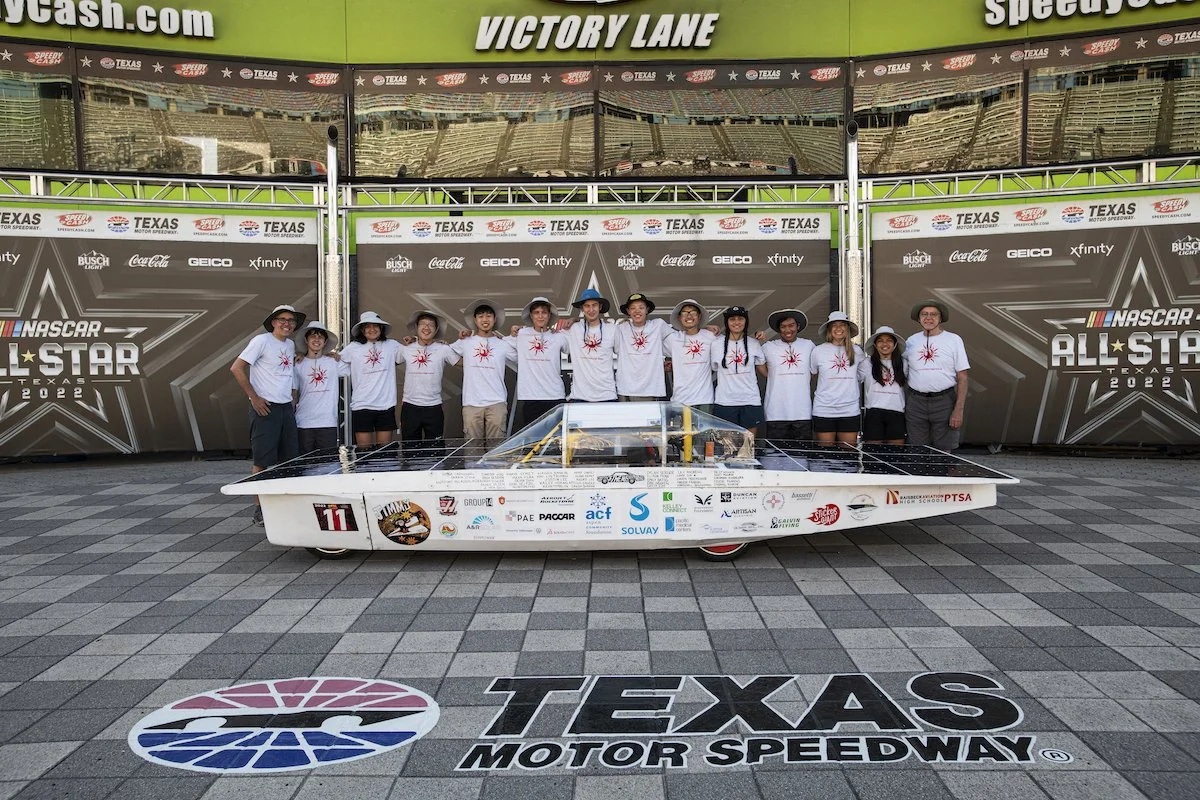
Jimmy
In House Solar Array
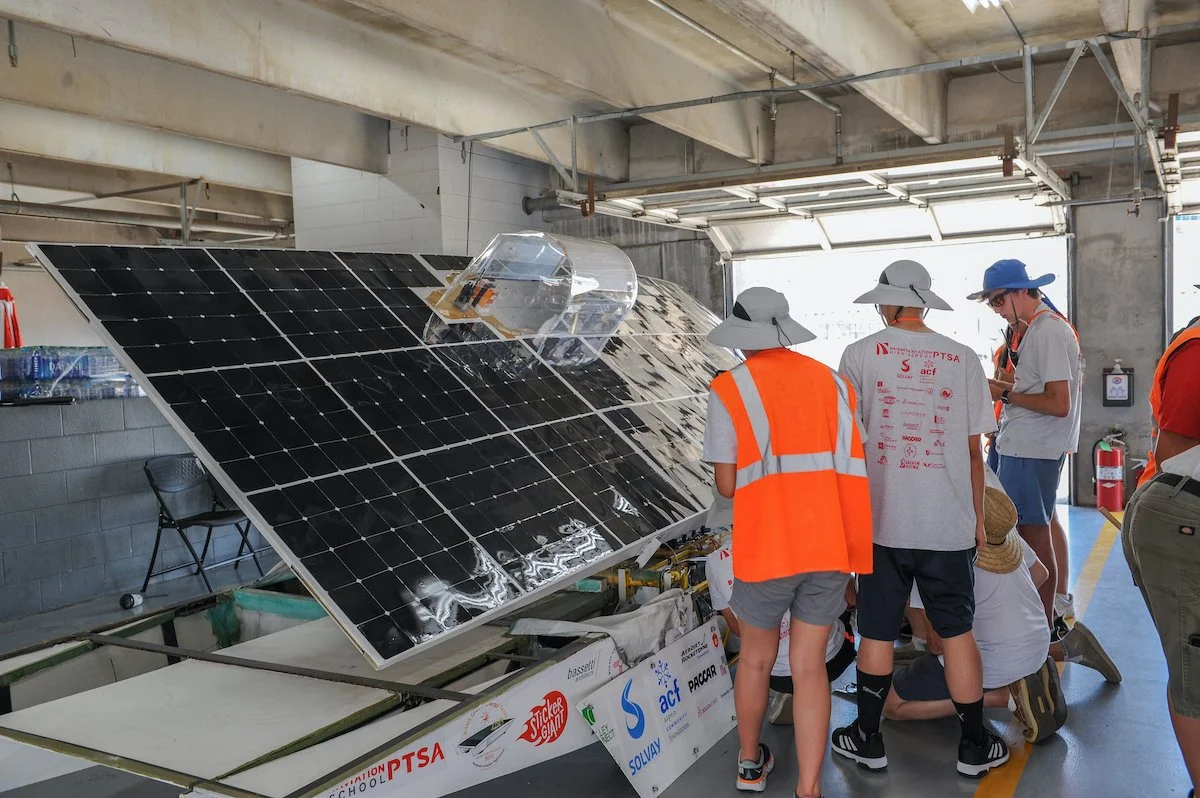
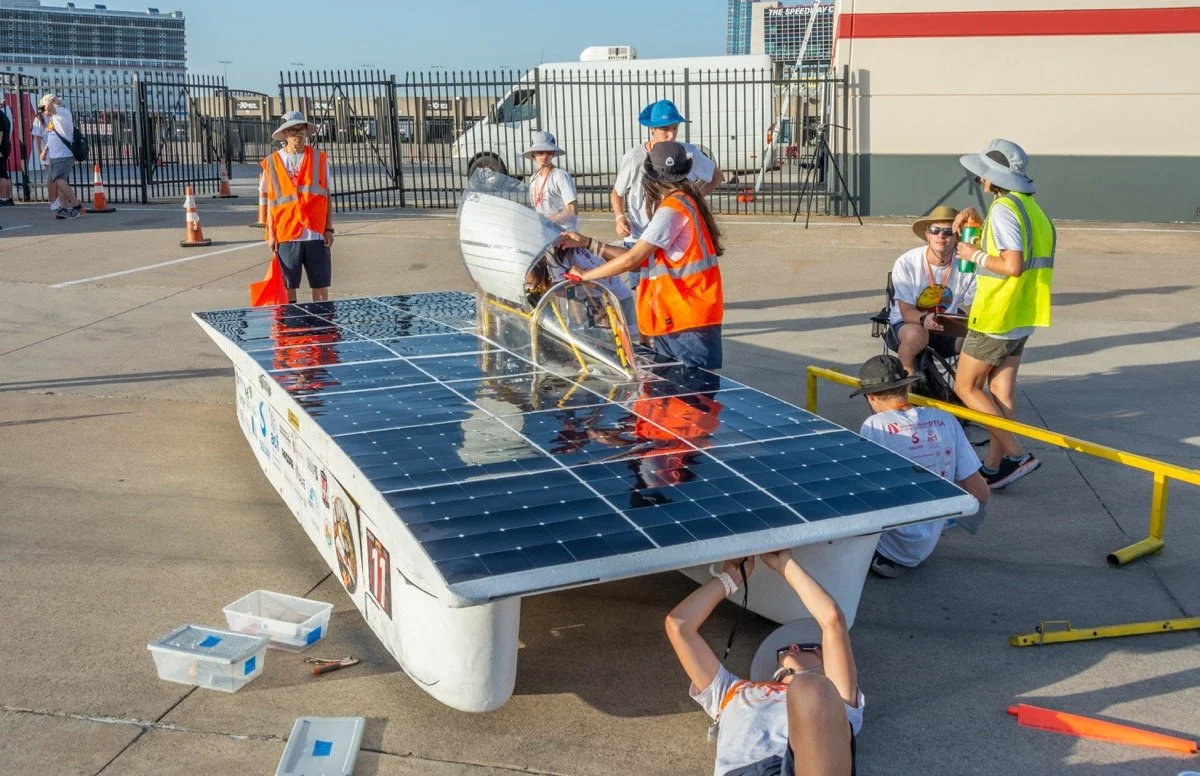
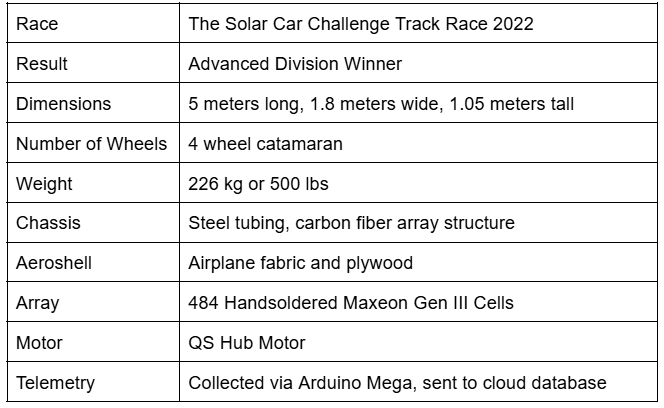
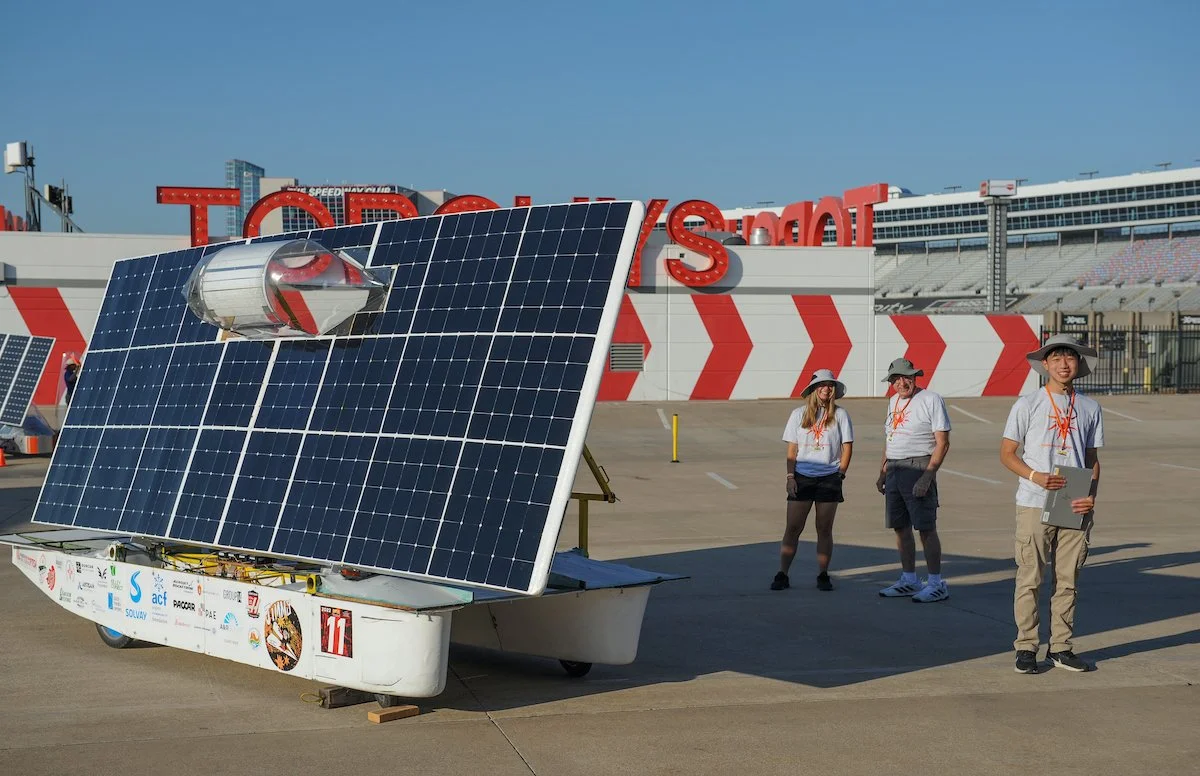
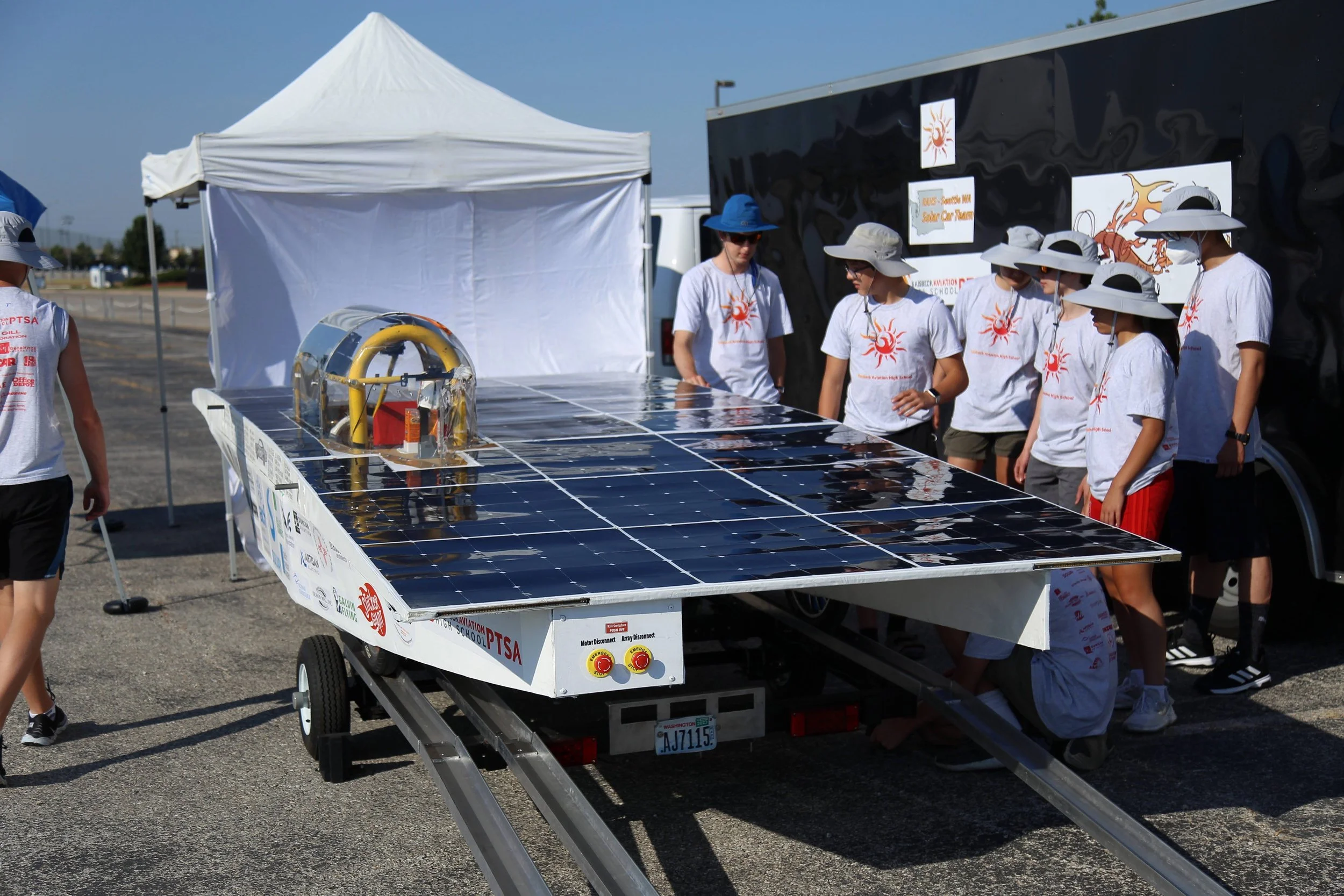
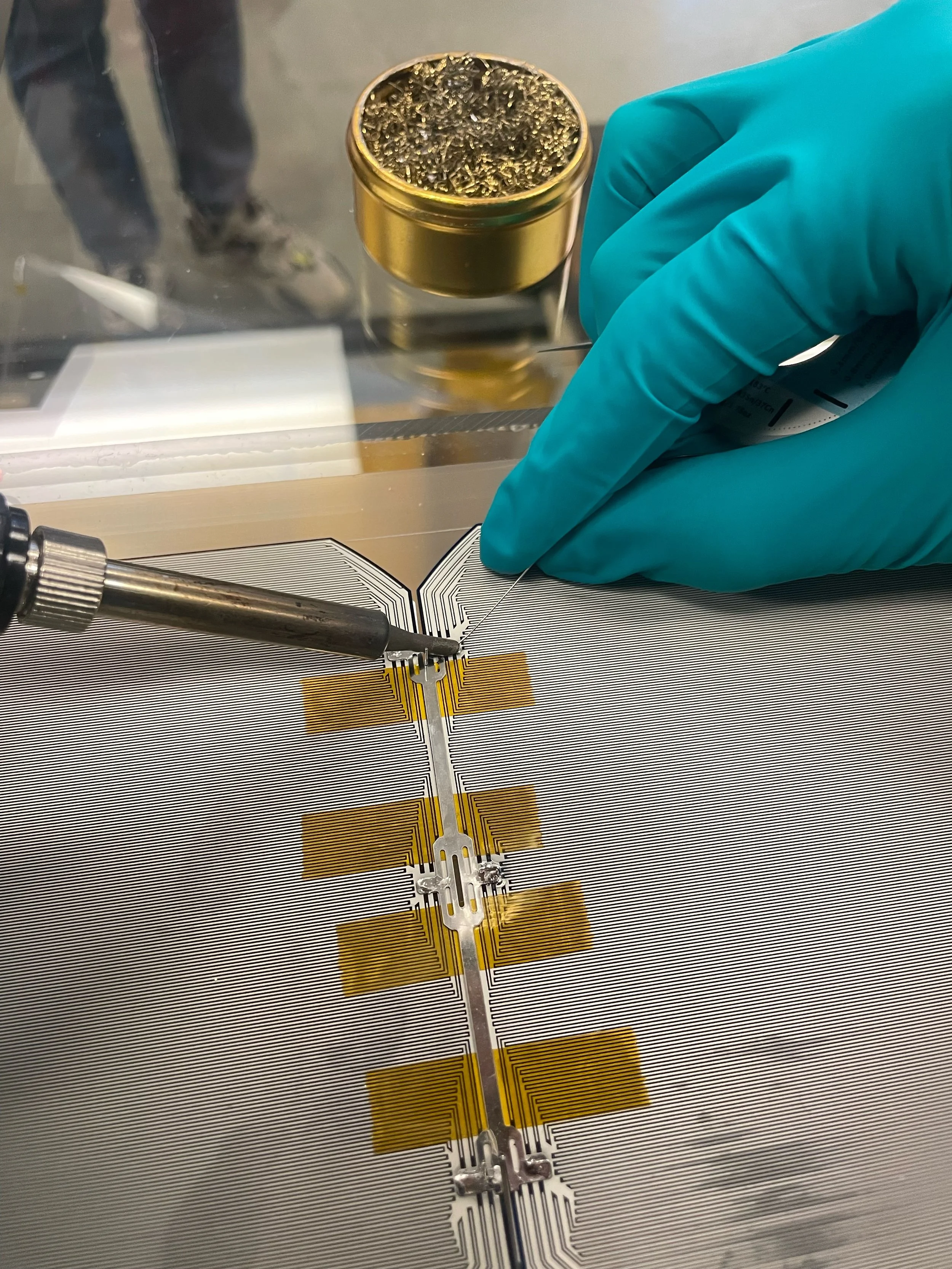
Jimmy would be the first of our cars to have a solar array laminated and soldered in house. This process which took months to figure out and perfect, consisted of painstakingly soldering hundreds of solar cells, and then using a lamination machine to encapsulate them. A single error would render entire panels useless, so this took a significant amount of time.
Upgraded electrical systems
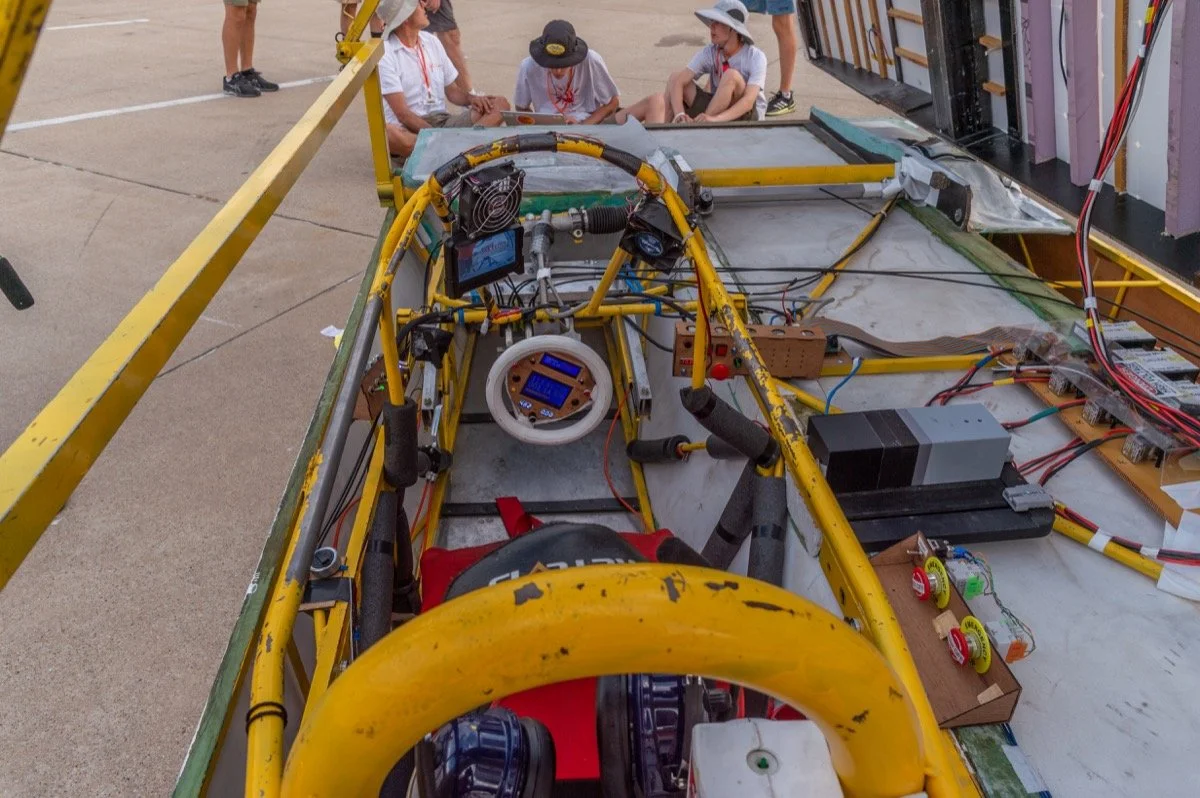
The entire low voltage system would be redone to make it easier to troubleshoot and repair, as well as to include some improvements for driver quality of life and better data collection. This system would again support our telemetry system that connects to a database and Grafana visualization.
New Array frame
In order to house the new solar array, the mechanical team redid the array frame structure of the car in order to try and reduce weight, as well as to better support the new solar panels.
Quick Release Solar Panels
As we were constantly getting better though this build season at making higher quality panels, the laminated and finished solar cells were equipped with a quick release system so that we could easily remove, replace, or test them.
Coming back from the 2021 race, we felt that if the same thing in 2021 happened again it would not end well for us, so the main goal for 2022 would be structure.
After spending so long away from our main workshop in order to continue to work through Covid, it felt good for the team to be back at home base. The decision was made early on to prioritize optimizing La Cucaracha, as there were a few observations:
The chassis and aerobody of the car were still viable, and held a lot of untapped potential due to errors and array problems in the 2021 race
Untangling the chaos and establishing a strong structure for the team in the post Covid era is the priority over a new car
Without the crucial planning over the summer, a full new car would be hectic to finish to the desired quality before the 2022 race.
Should we reuse the chassis for 2022, a potential 2023 car could benefit from additional resources not used in 2022
With those considerations in mind we began the school year in September with a huge recruitment wave. From this the team grew to nearly 30 active members, and we immediately began training the new recruits who would eventually feed into our sub-teams.
Meanwhile a smaller team started to tackle a problem that had flared up again: the solar array. Despite working decent in 2021, it never reached anywhere close to what it was supposed to, and it was clear that it would need to be replaced. Then, during testing, multiple pieces of the array flew off of the car, shattering on the roadside. While unfortunate, this gave us an opportunity for improvement. This time we would handsolder and laminate our own array. Additionally, the electrical sub-team would work more on the low voltage system, completely redoing it to remove potential issues and improve quality of life.
While the electrical sub-team worked on pioneering our own solar array lamination methods and revamping our controls, our mechanical sub-team began work to remake our array attachment points to enable quick-release panels as well as make a suitable place for the new solar cells. We would also go on to make sure that issues faced with removing tires last year would not be a problem this year.
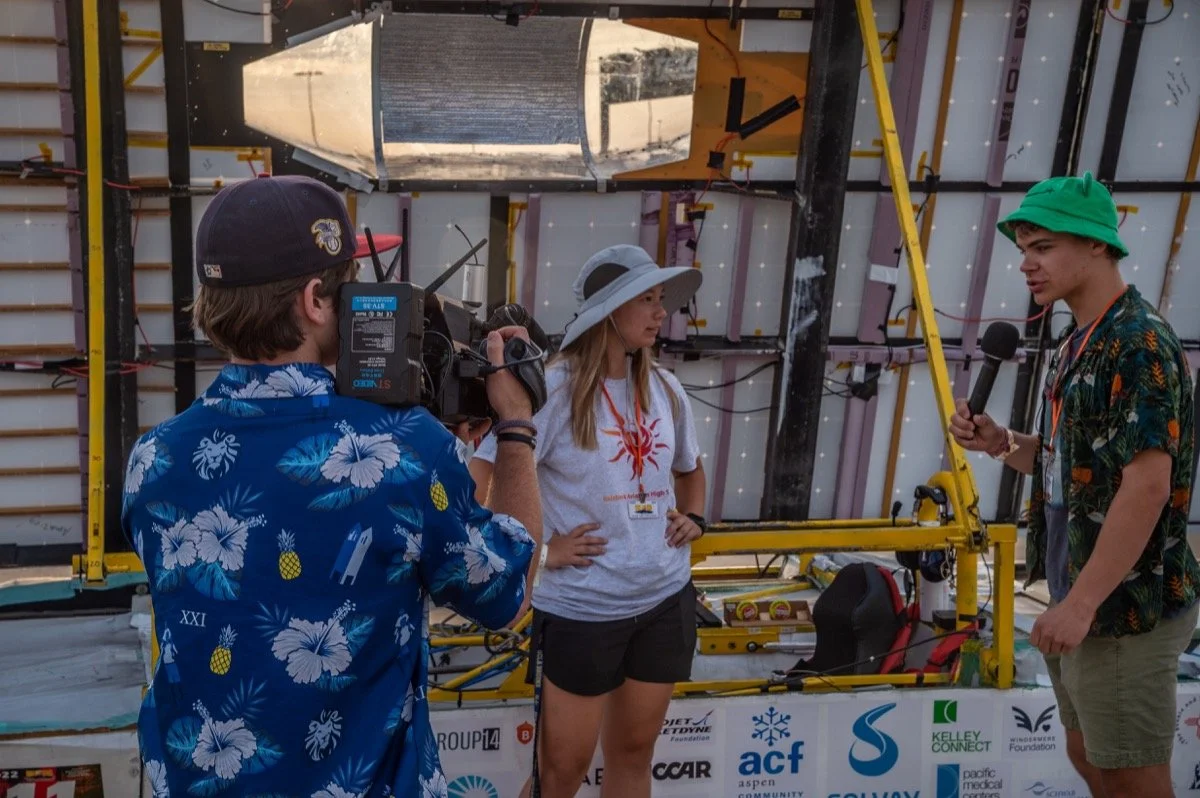
As the months would go by, as our team was the largest it had ever been at this point, we would also have a lot more time for outreach. We would hold outreach events at local museums, visit conventions, and local middle and high schools. Additionally we would seek out more news coverage. In the background, our logistics teams worked tirelessly to coordinate everything and continue to build relations. The efforts this year turned the team from a scrappy band of hard working students into a competent and efficient team.
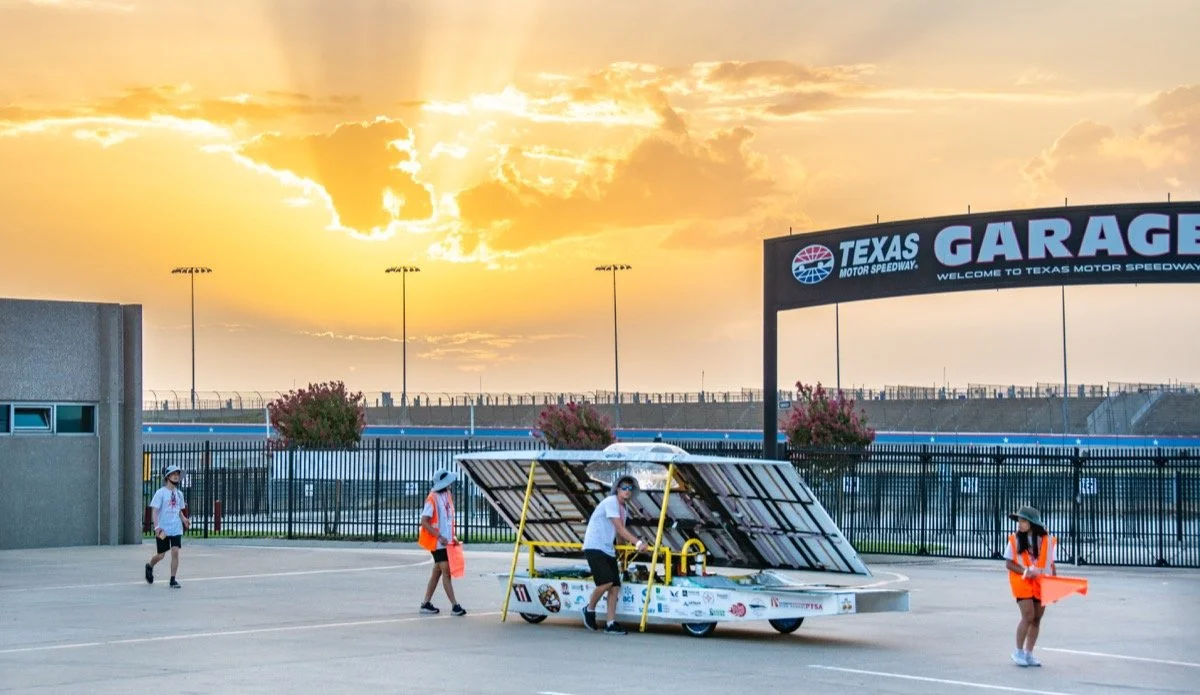
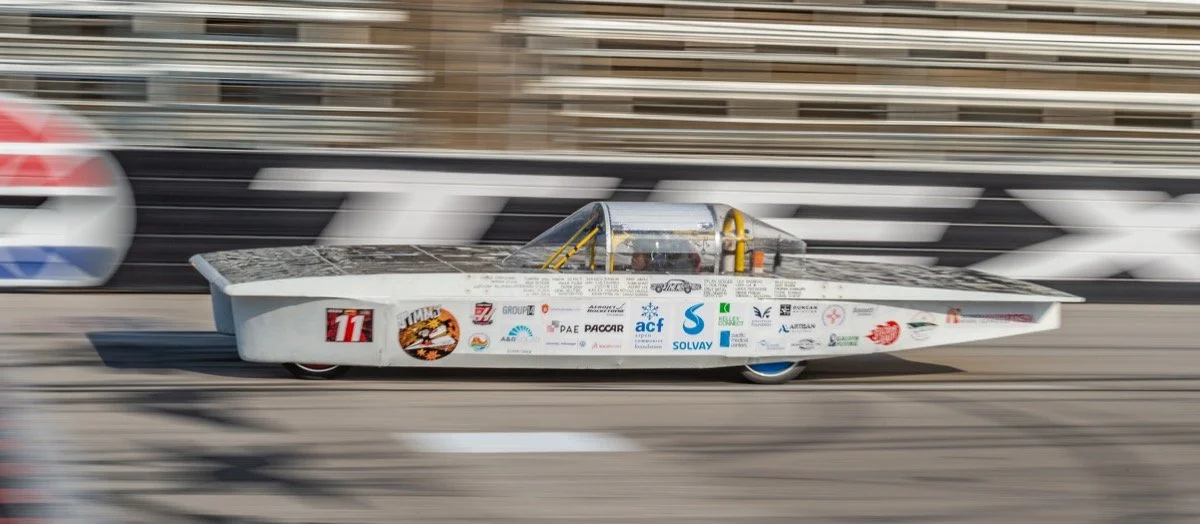
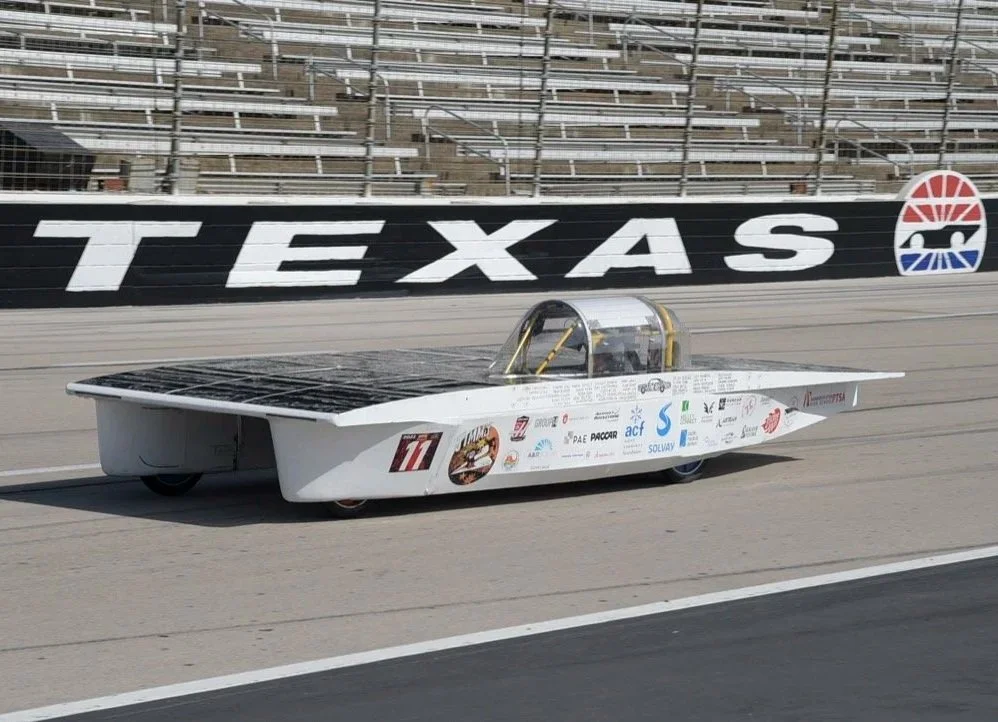
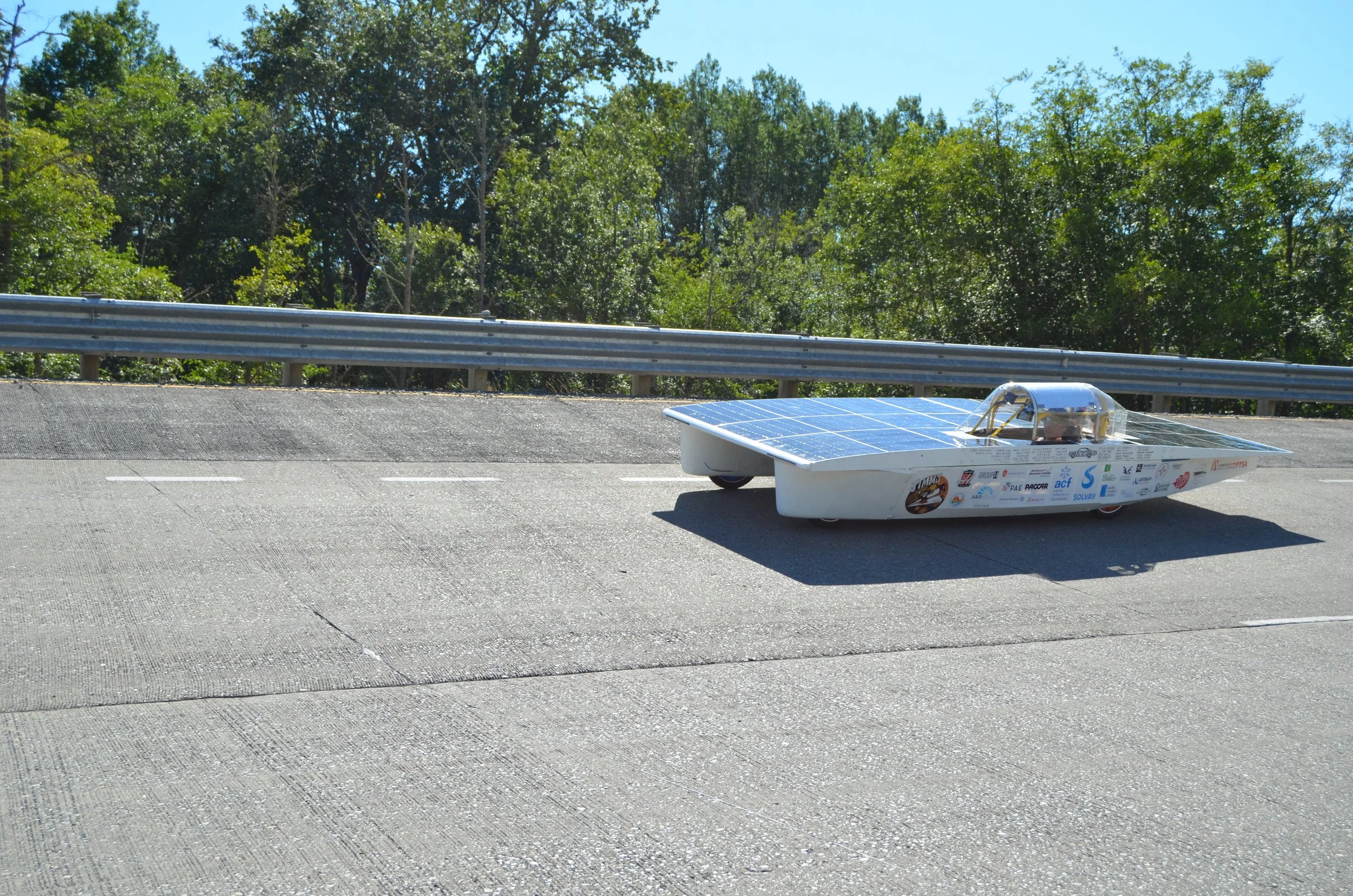
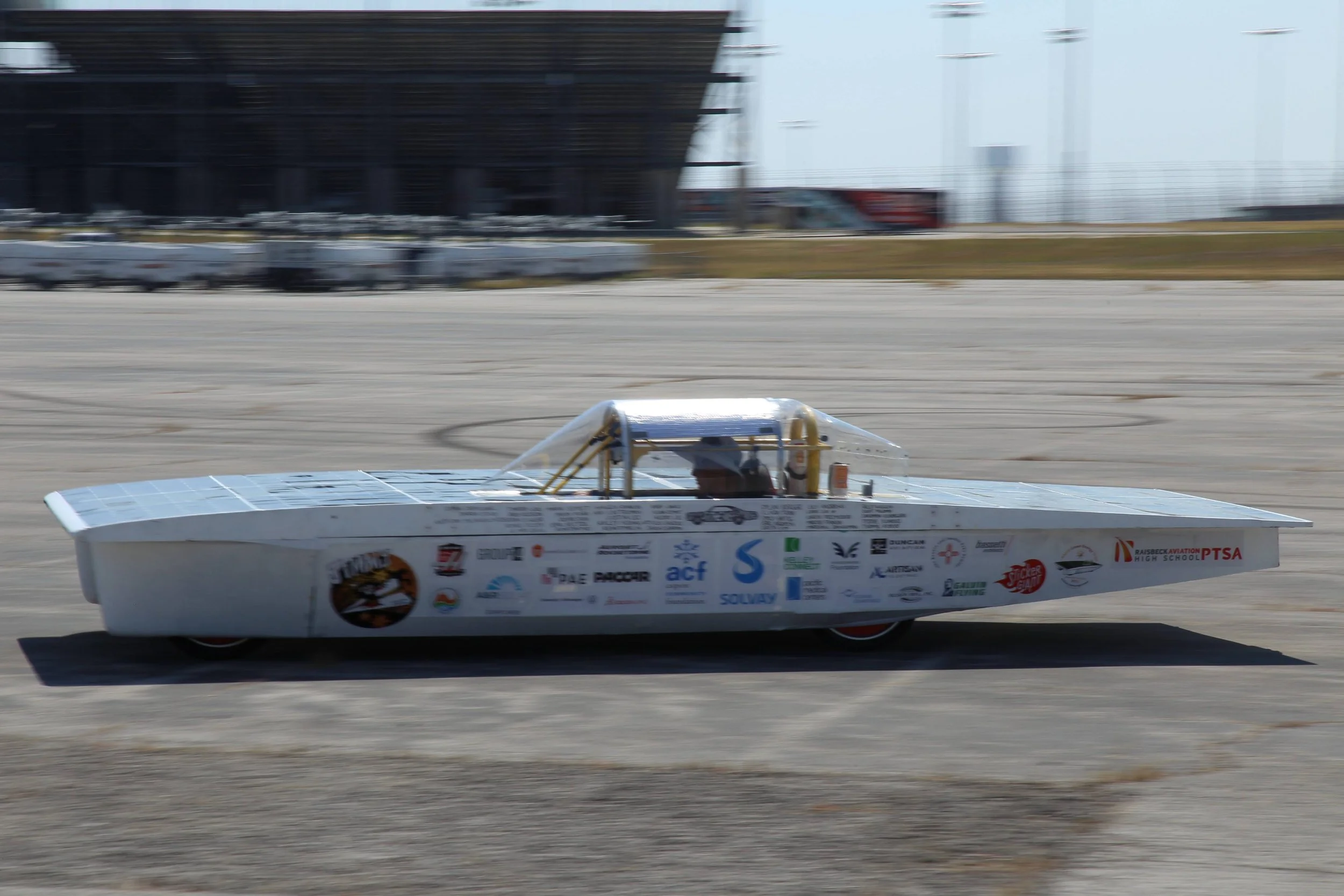
Closing in on the 2022 race, all efforts turned to testing. Weeks of low speed and static testing, as well as at least 10 days of high speed testing with hundreds of miles on the car every day made us even more confident in our work. This car, the same chassis that barely got us the win last year, struggling to stay on track, now was a well tuned machine. This was Jimmy.
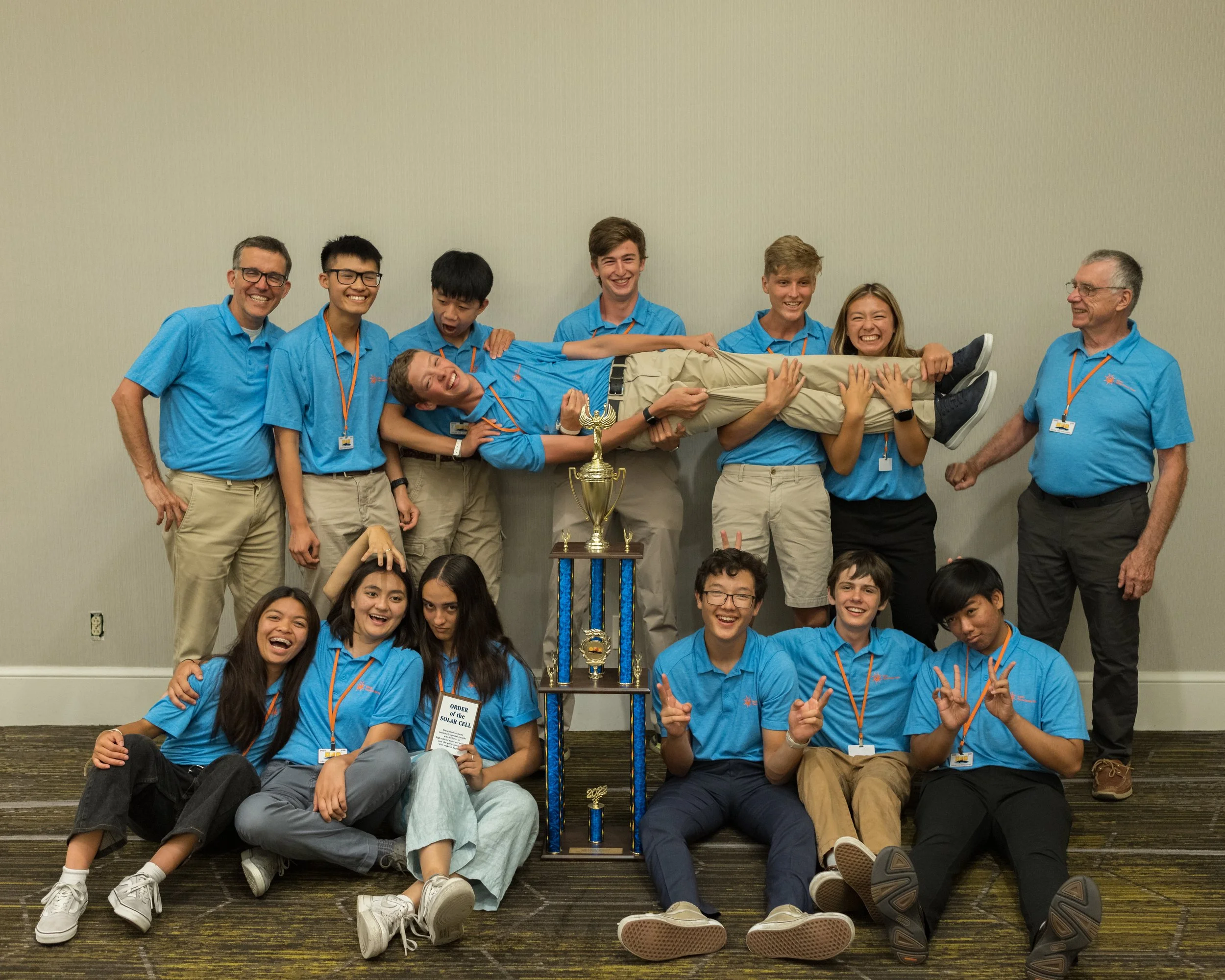
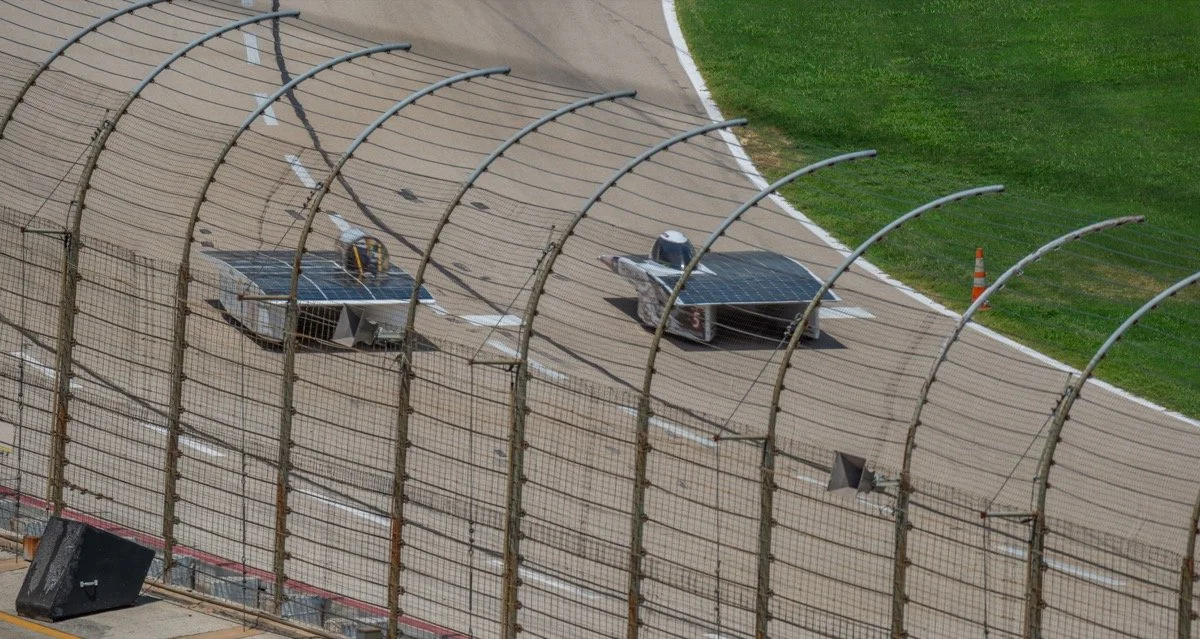
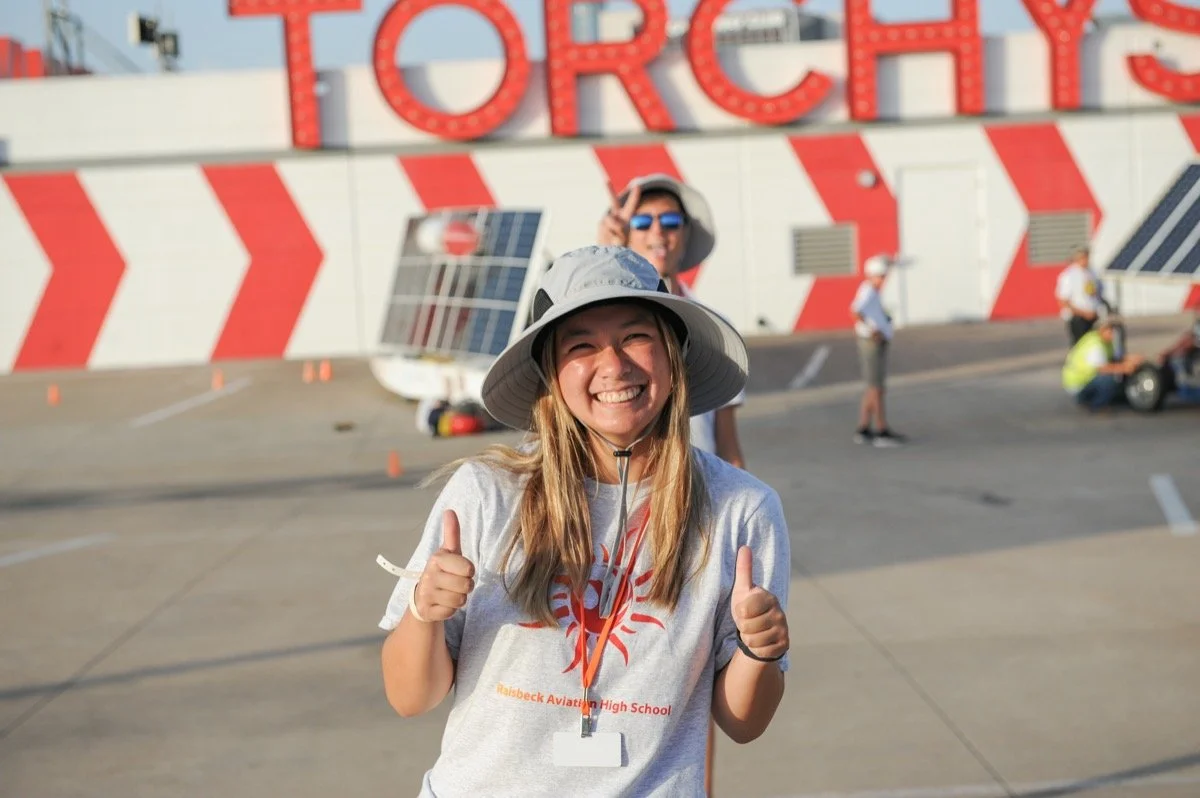
Leaving for the 2022 race felt completely different. 2019 could’ve been luck. 2021 could’ve been a coincidence. 2022 would be our proof. We knew we were a good team, and we had built a great car. By end of Day 1 we were already 50 miles clear of competition, and by end of Day 2 over 200 miles. In complete contrast to last year, we were only off of the track for a few minutes due to tires popping, and even then, the improvements made kept those to a minimum. By the end of the four days of racing, we would have smashed our own records, and had set the new record at over 1300 miles.
This year, it was clear. We had built a good car, and we had optimized it well. Advancements in our solar array and electronics helped push us forward, and most importantly we had built a system that supported the team.
Coming off of such a huge result, the only question we were asking was what was next…
Making a perfect system