2021:
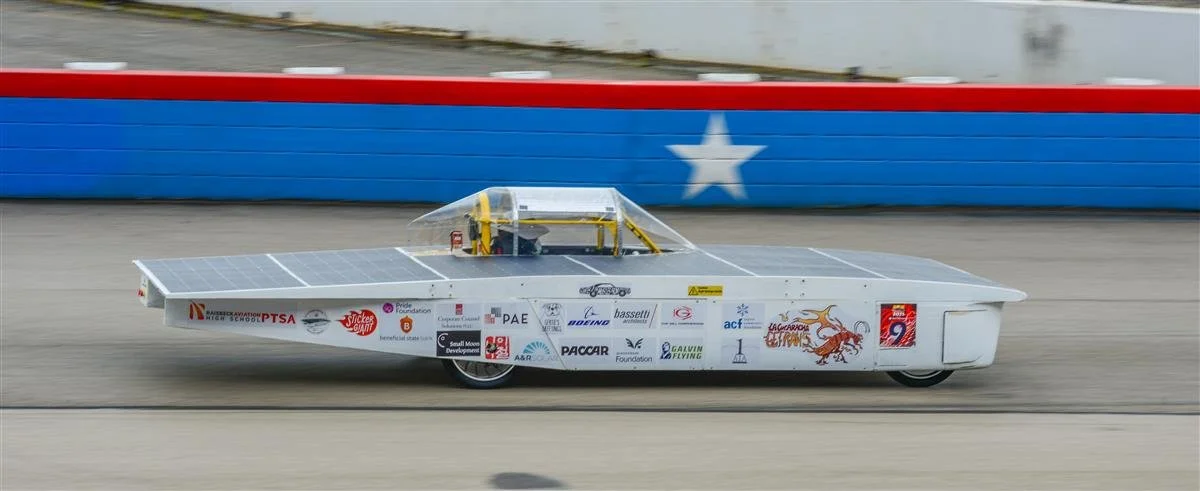
La Cucaracha
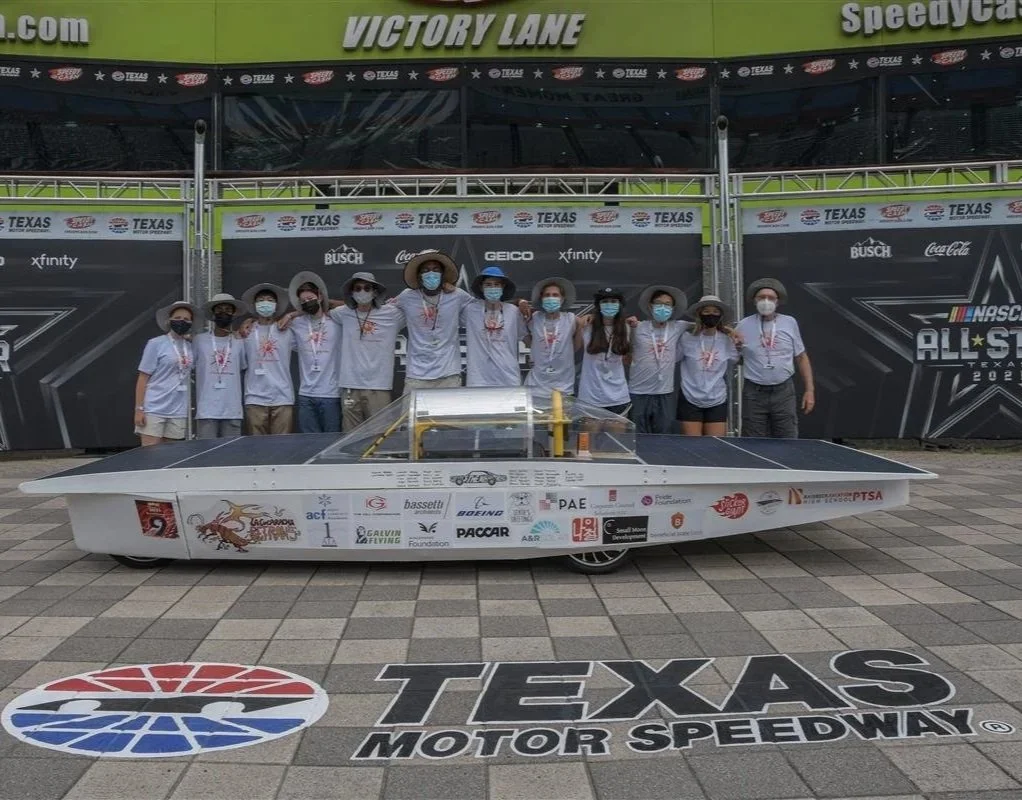
At the end of the 2018-2019 season, we came off of our maiden race having achieved victory, and a lot of inspiration. One of the amazing things about solar racing is the community and the innovation, and we couldn’t wait to go back there. Many times though, the journey is worth more than the outcome, and this is one of those times…
Right after the 2019 race ended, all of our sub-teams were already designing for the new car. While official operations were halted for the rest of the summer, many of our members would do outside research as well as begin prototyping designs. One of the central debates on our team was brought up by the series Lightspeed, debating the newer bullet style cars against the more proven catamaran design. After significant aerodynamic testing, we determined that we would opt for a catamaran design for the new car. This was chosen not only for aerodynamics but also for the stability the wider wheelbase offered. Having this figured out, by the time we officially began operations in September, we were ready to go.
Many of the plans for this car revolved around pushing our knowledge of aerodynamics forward, and taking some risks around the design, as well as advancements with our electrical and telemetry systems. Despite these advancements we kept the ideology of building fast and simple so we had time to test, and this paid off tenfold when crisis hit.
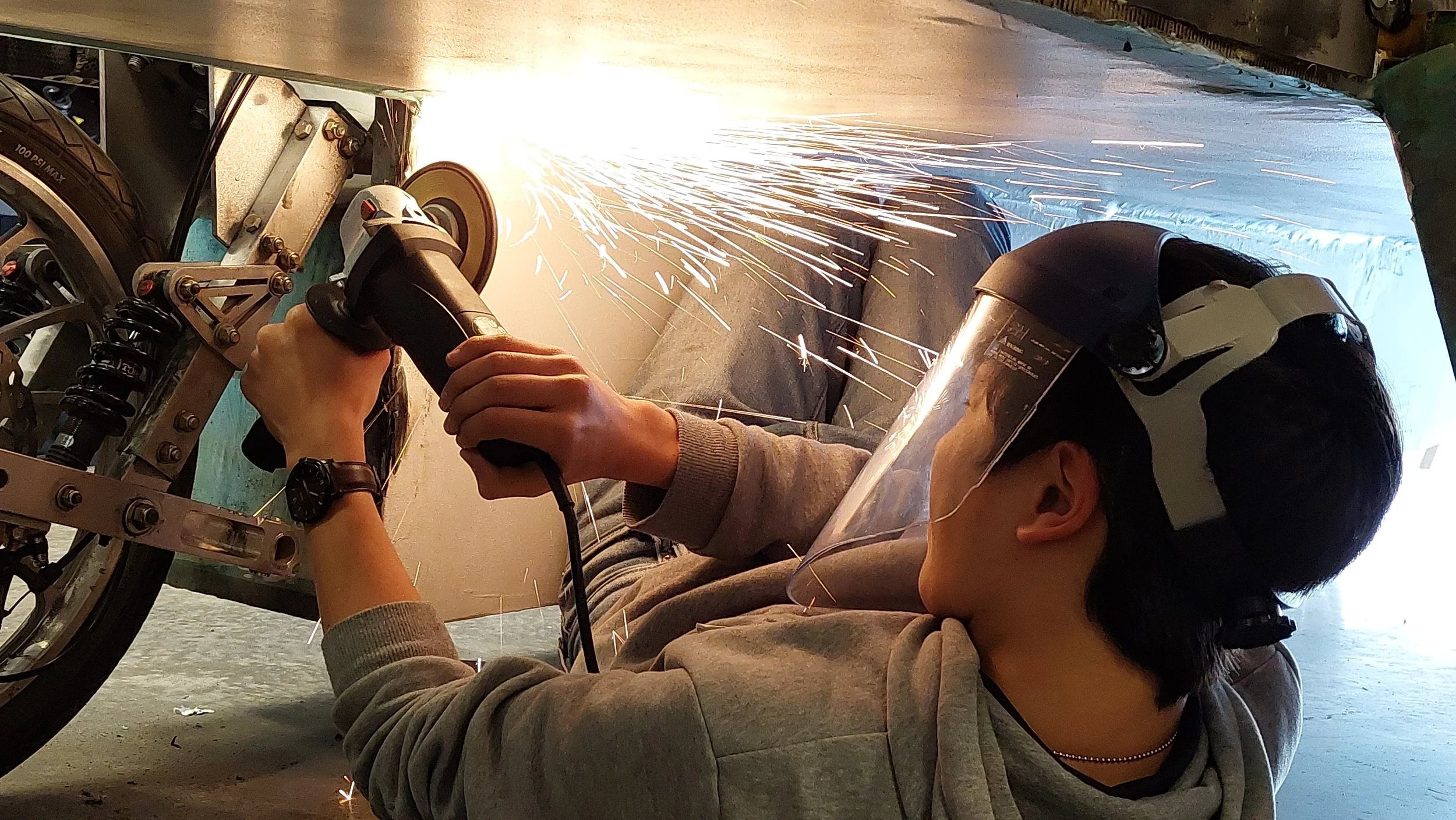
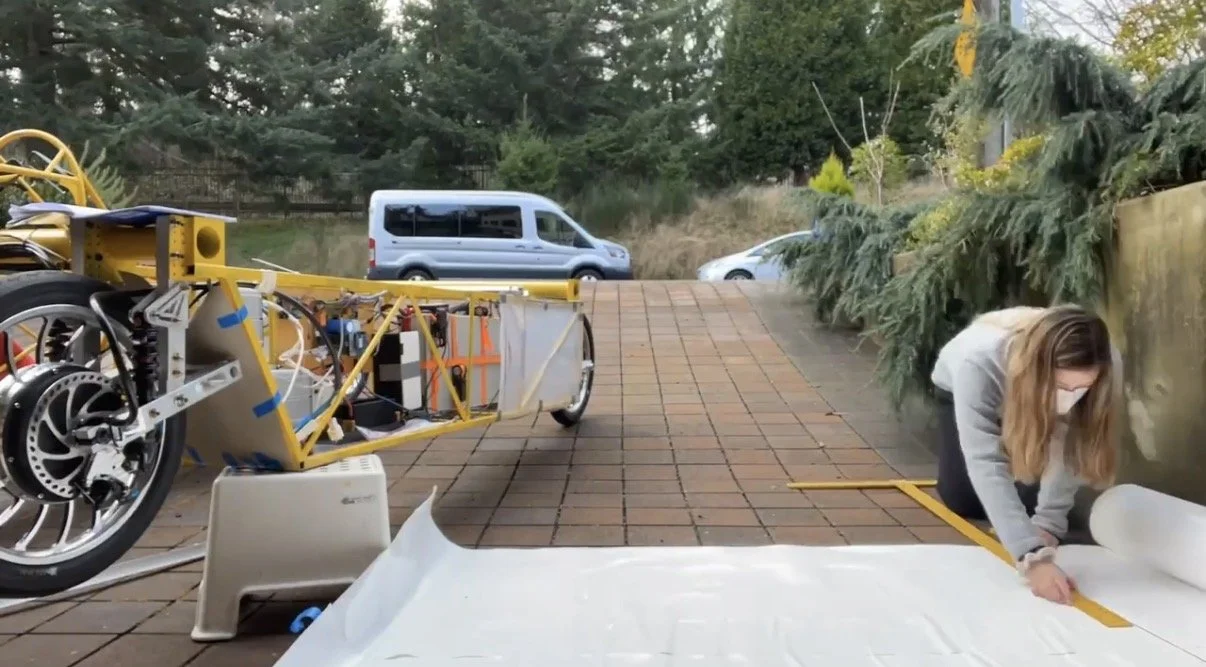
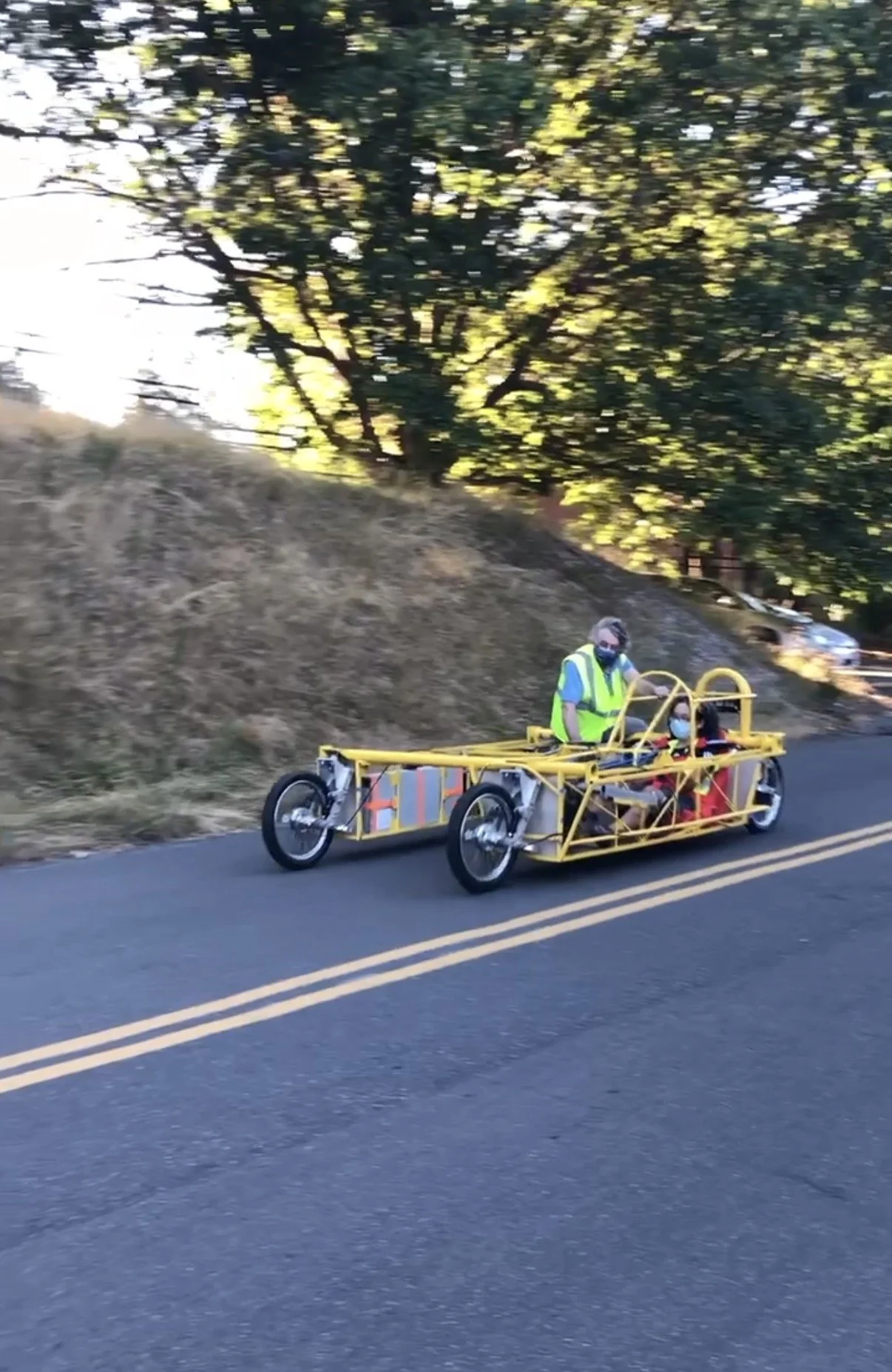
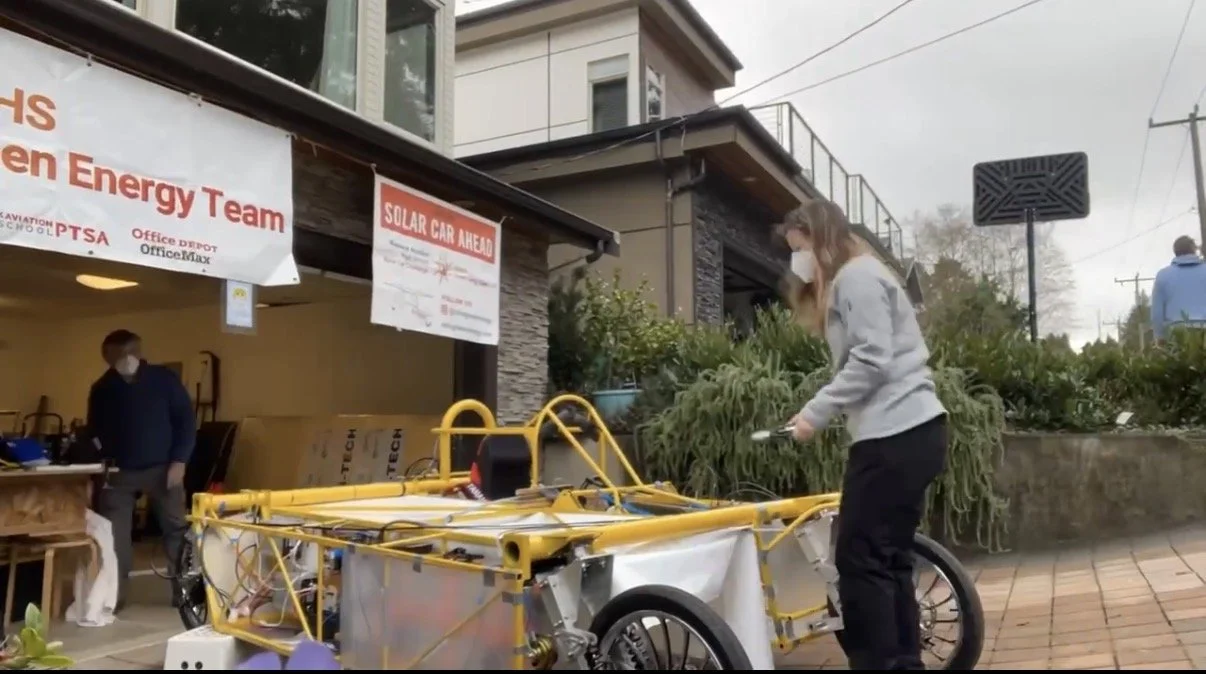
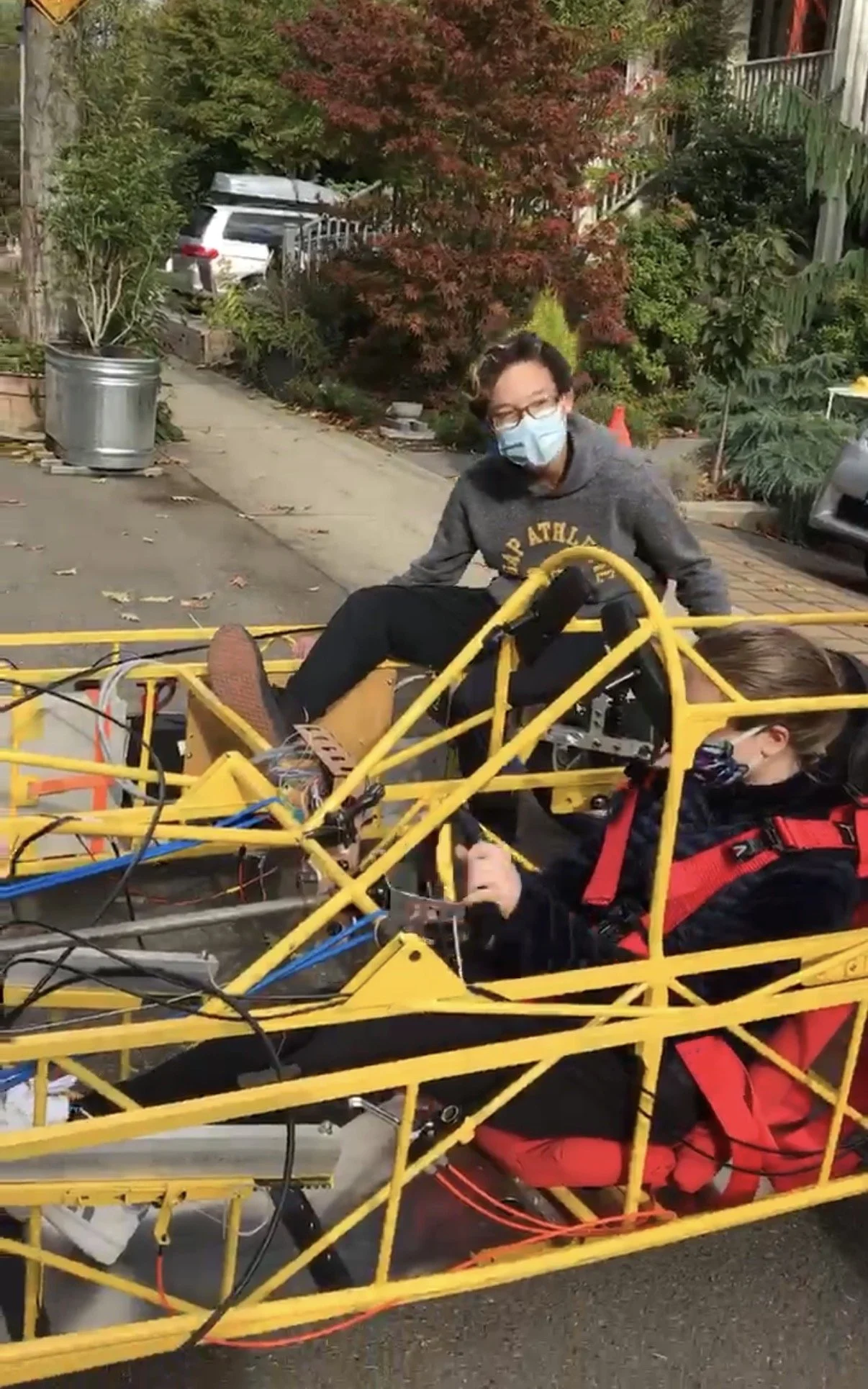
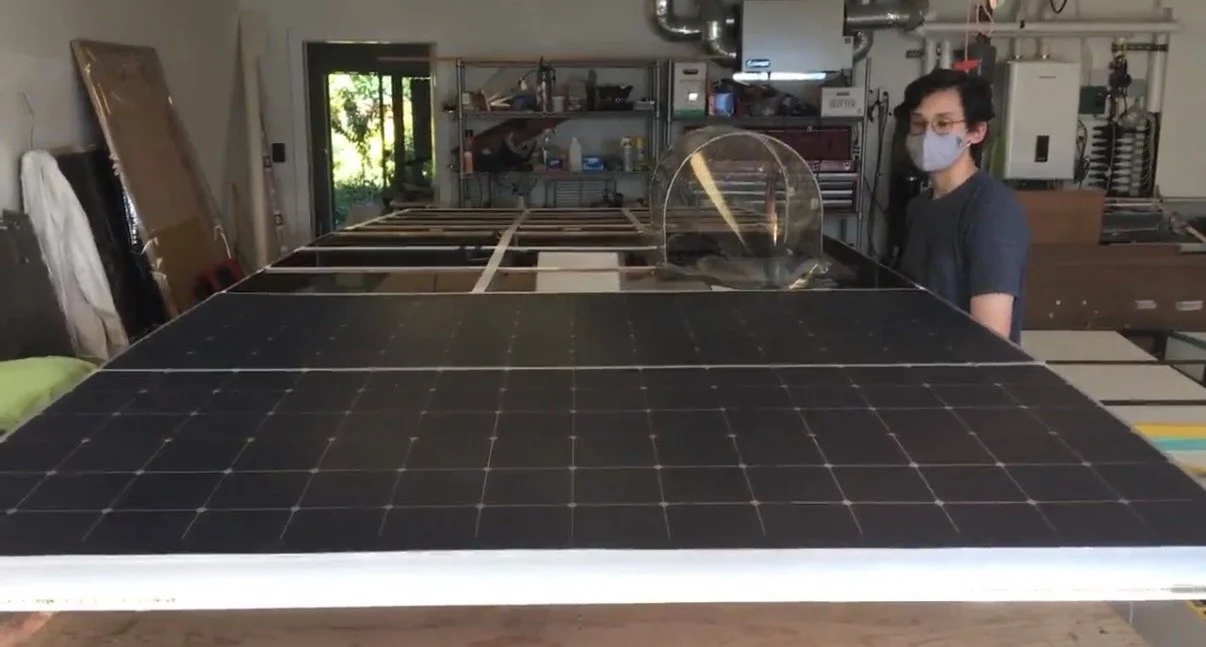
In March 2020, COVID shut down schools and with it, almost every club and team. As we were still with a school at this point, this affected us too, and we were unable to continue operations. Thankfully, we were able to move operations out of the school building to our mentors garage. By limiting the number of people working, masking up, increasing ventilation, and washing literally everything, we were able to keep moving forward, albeit at a much slower pace.
As the pandemic kept going through the summer, it was clear that the 2020 Solar Car Challenge was going to be cancelled. That really benefited us as we were not ready for the challenge by that time, and so we kept working on La Cucaracha through the summer of 2020 and into the fall. There were a lot of problems with this car, worsened as the global supply chain was messed up due to the pandemic. Issues surrounding suspension and the frame were troubleshooted relatively easily. More pressing though as the months went by, was the solar array.
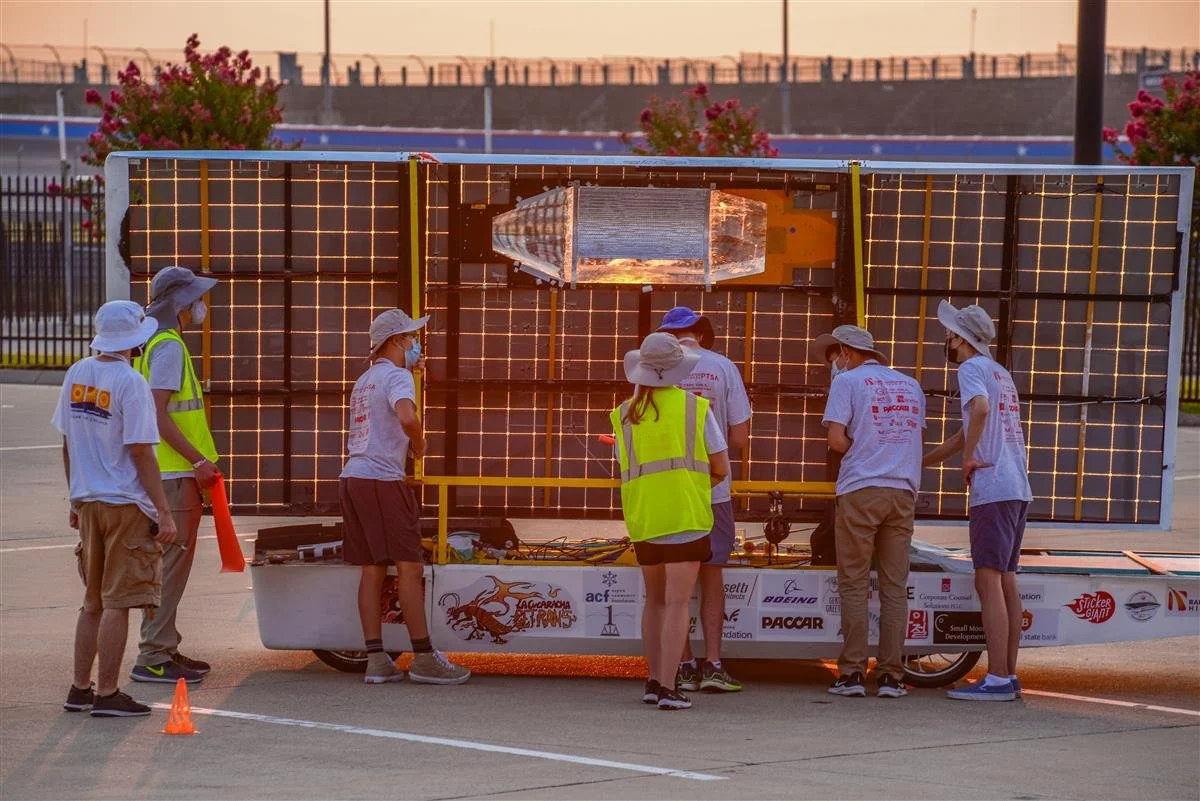
Knowing that the solar array from the 2019 car wasn’t going to fit on the new car, we had ordered some semi-custom array sections from a manufacturer overseas. The hastily integrated array would be ready to go a few months before the race, and testing the full system could begin.
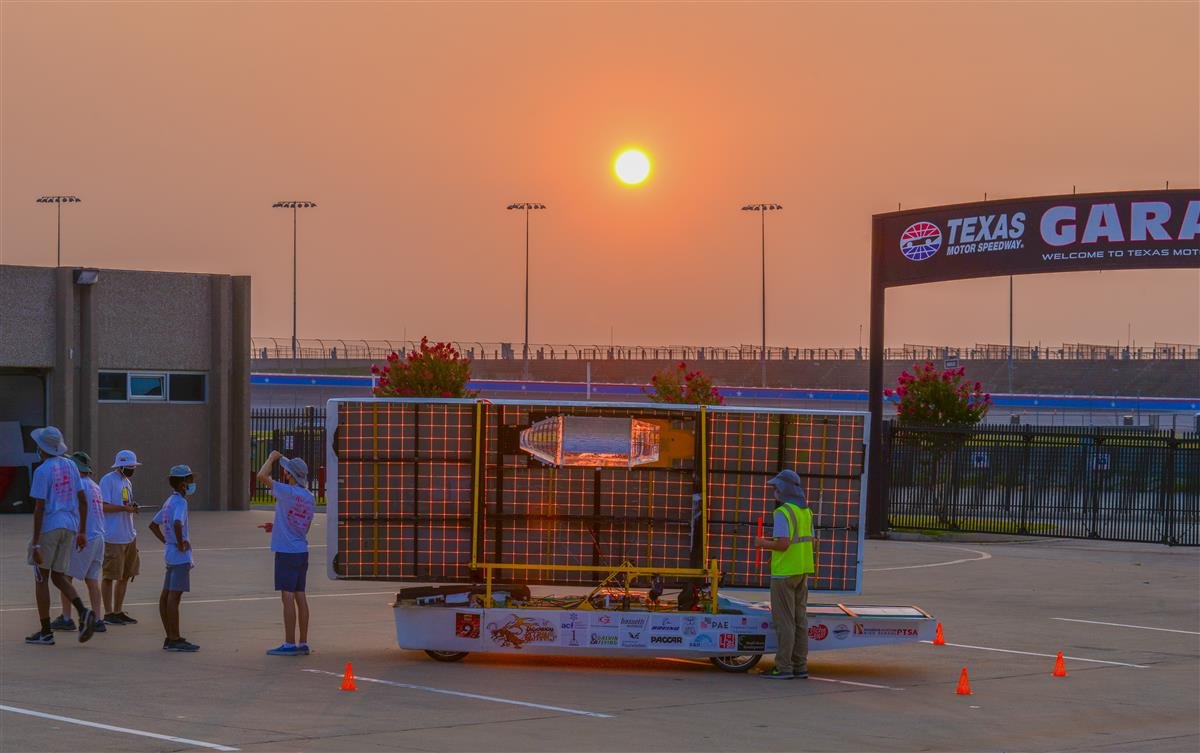
By the time the race rolled around, we had a decent amount of confidence in the car, and it was quite exciting for us to take to the track for the first time since 2019. We arrived in Texas excited to see the other teams and excited to get racing.
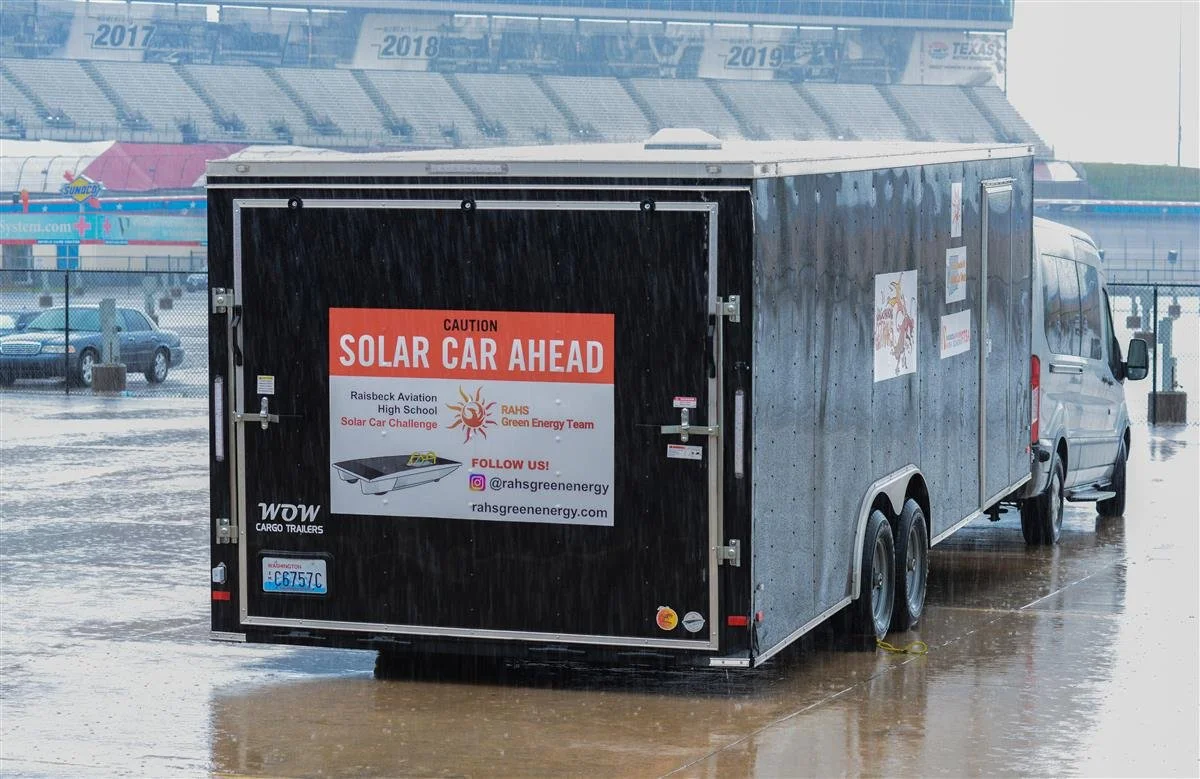
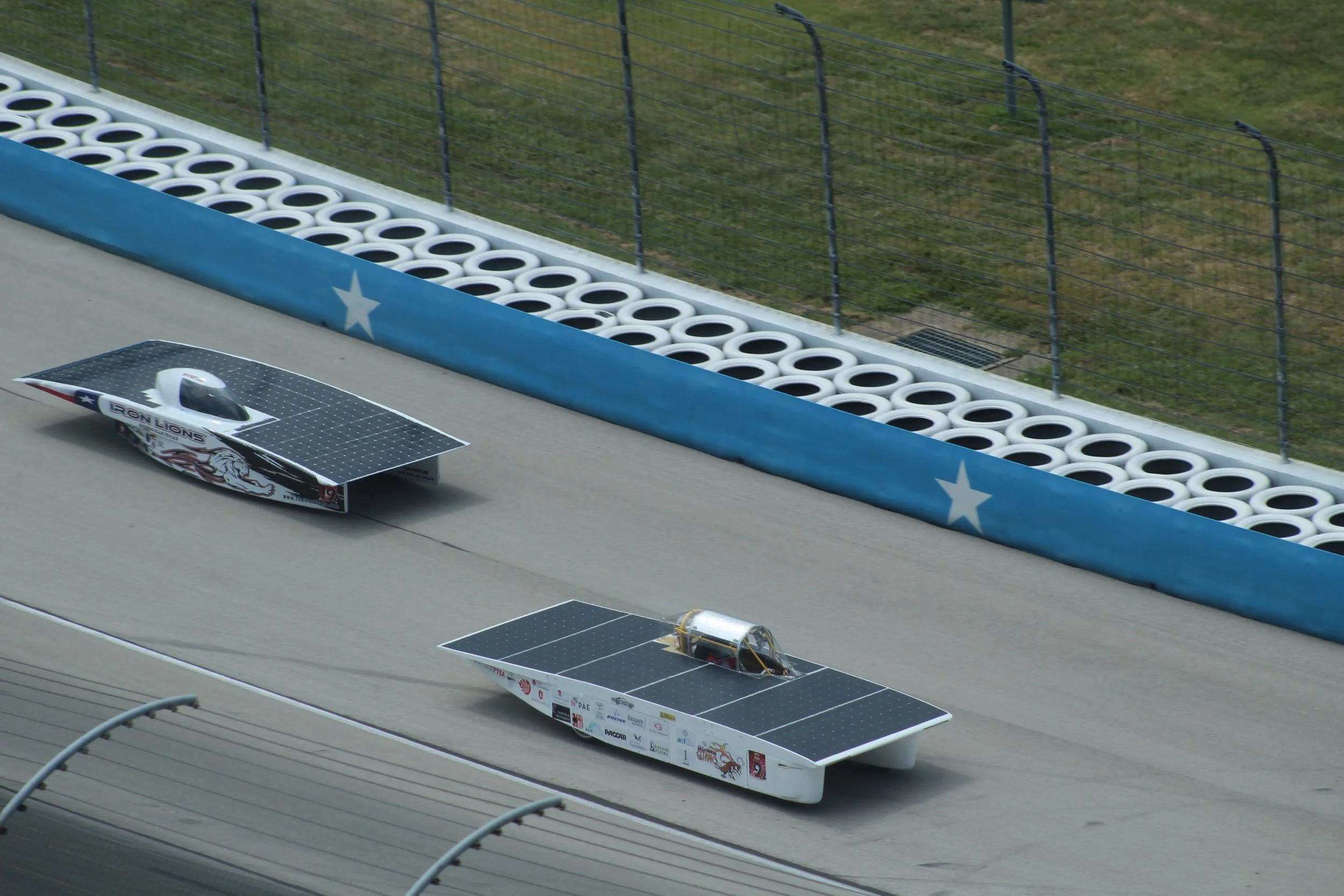
The race that would follow would be our most chaotic. From the very start we would face a two hour rain delay, then scorching heat as temperatures rose. Issue after issue occurred as we attempted to keep similar pace to the rest of our division.
Facing issues with the tires popping, we were forced to pull off the track multiple times for extended periods of time to access the wheels, as well as an issue with the horn burning out. But as we kept pushing through errors, we would find ourselves near the front of the pack by the third of four days of racing.
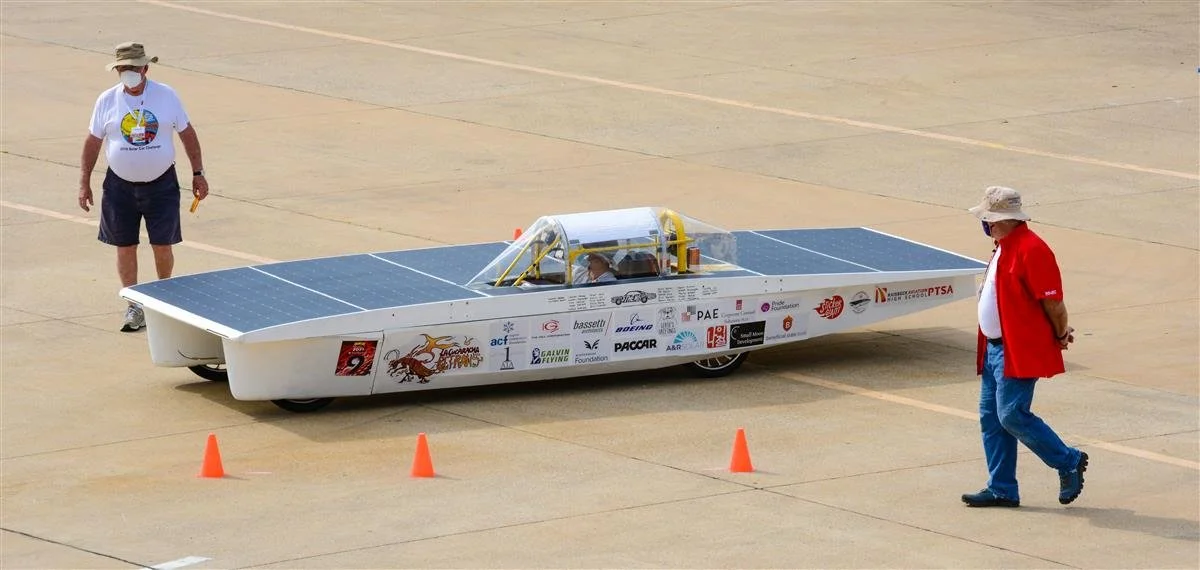
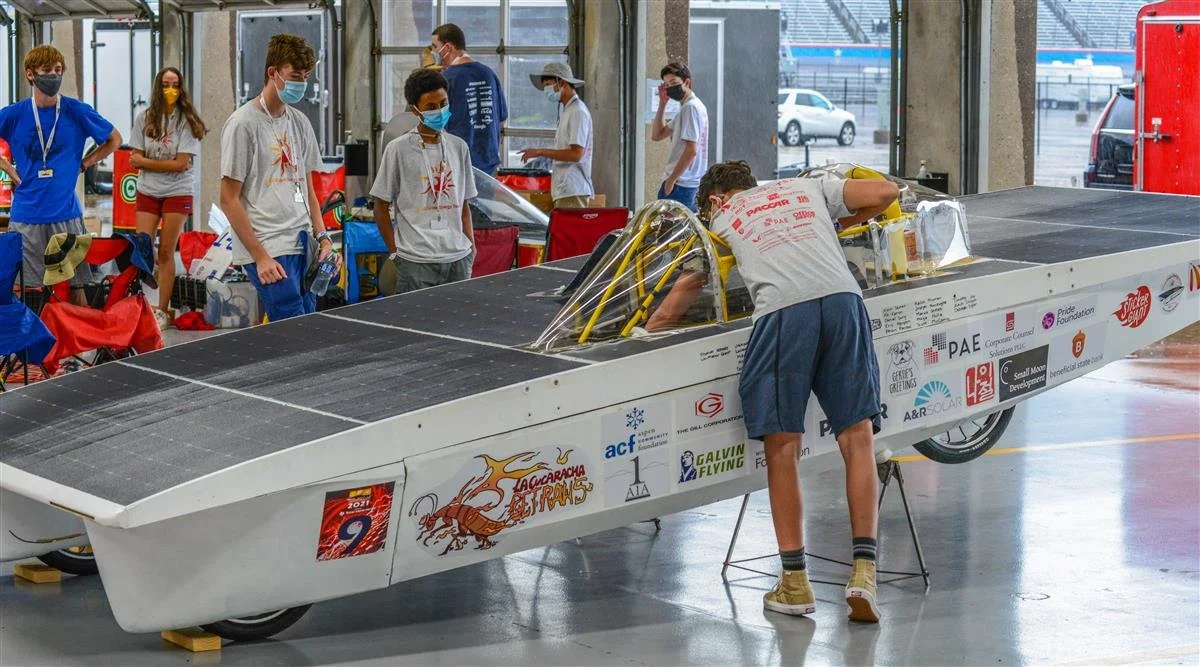
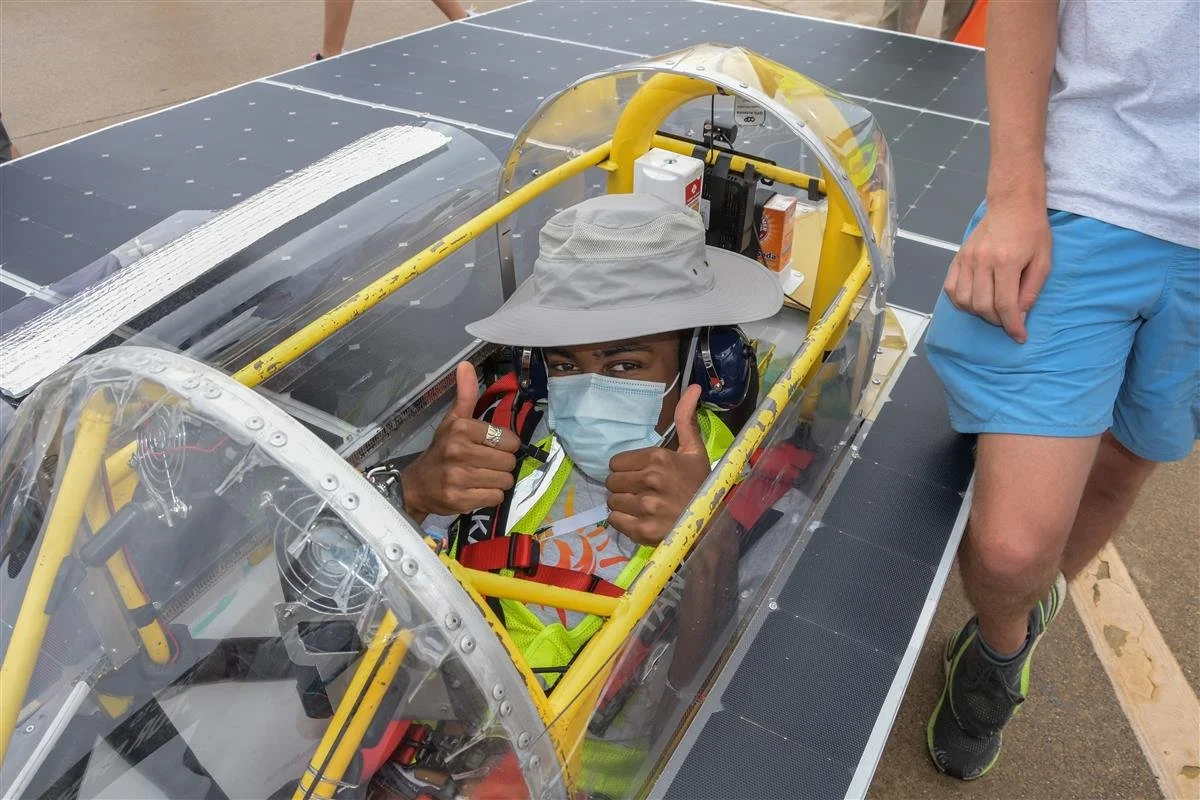
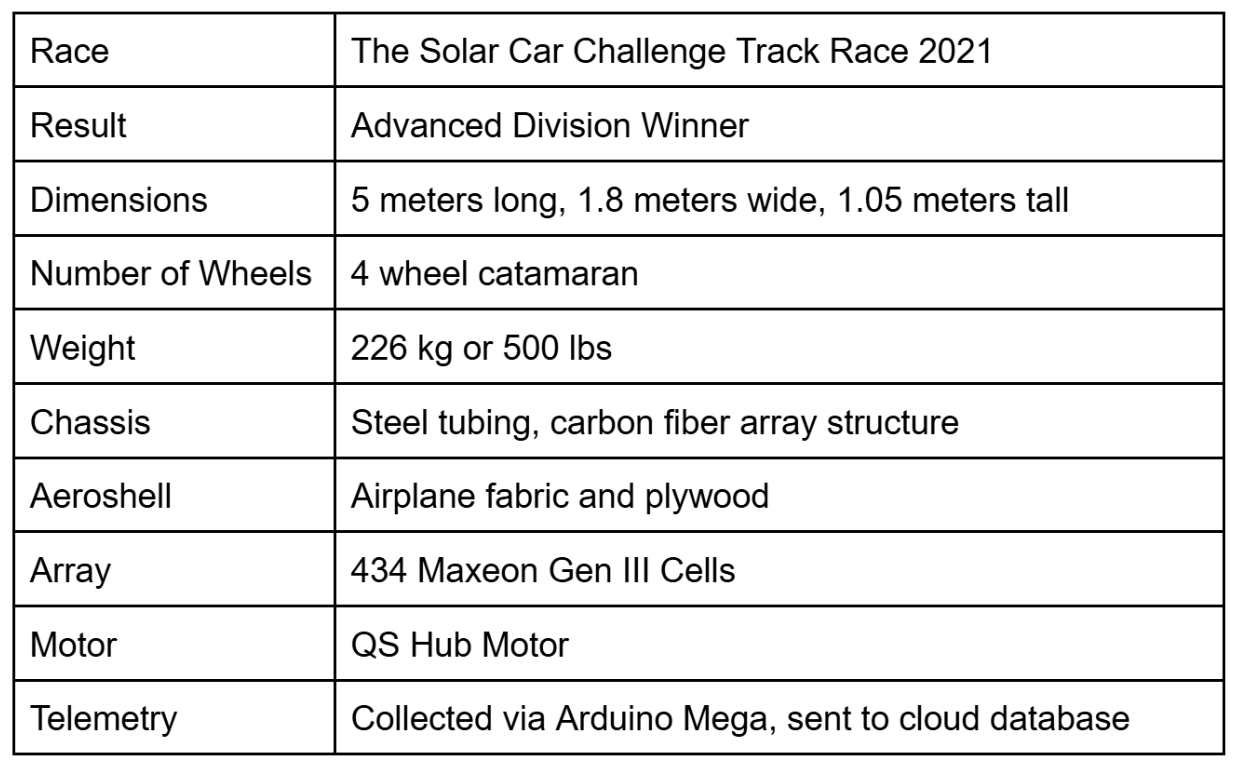
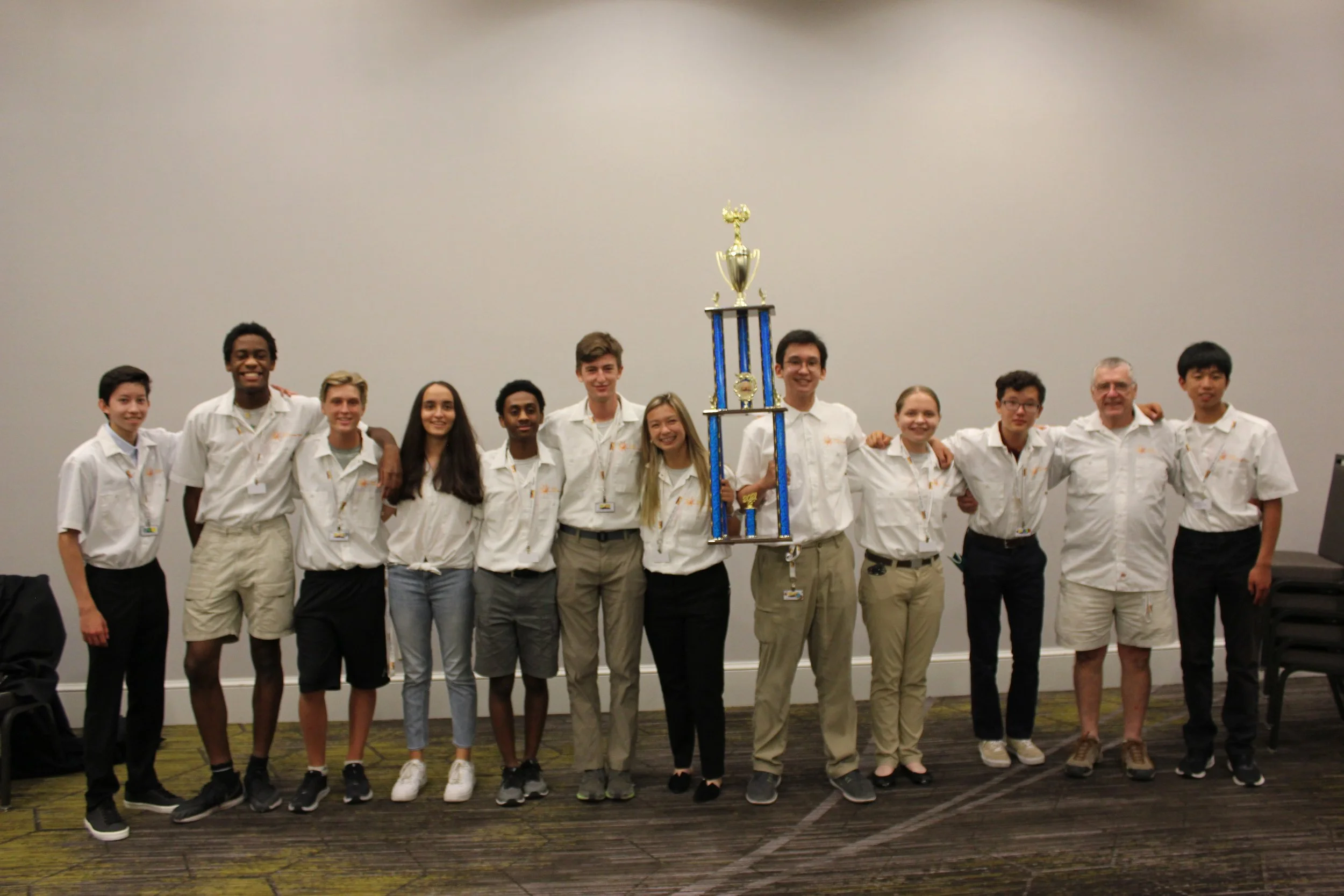
Rallying together, we would push forward to take first place again in the Advanced Division of The Solar Car Challenge with an excellent day four. The car that had been built in a garage, not a machine shop or fancy facility, had won, pushed forward by the determination of the team.
While this race and build year was much more chaotic and challenging then we thought, we rose to the challenge, and had again come out ahead.
How we learned Resilience
Catamaran Design
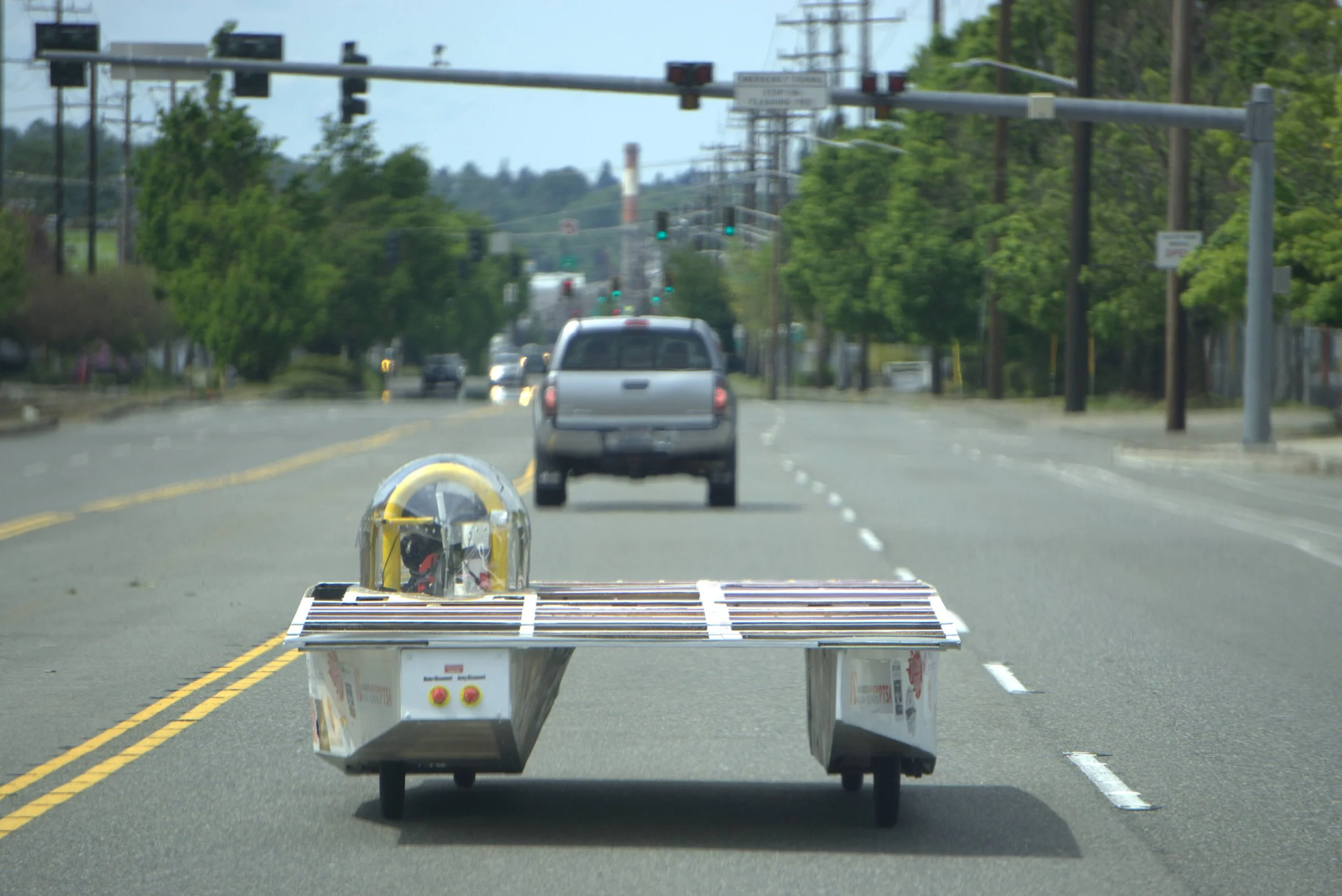
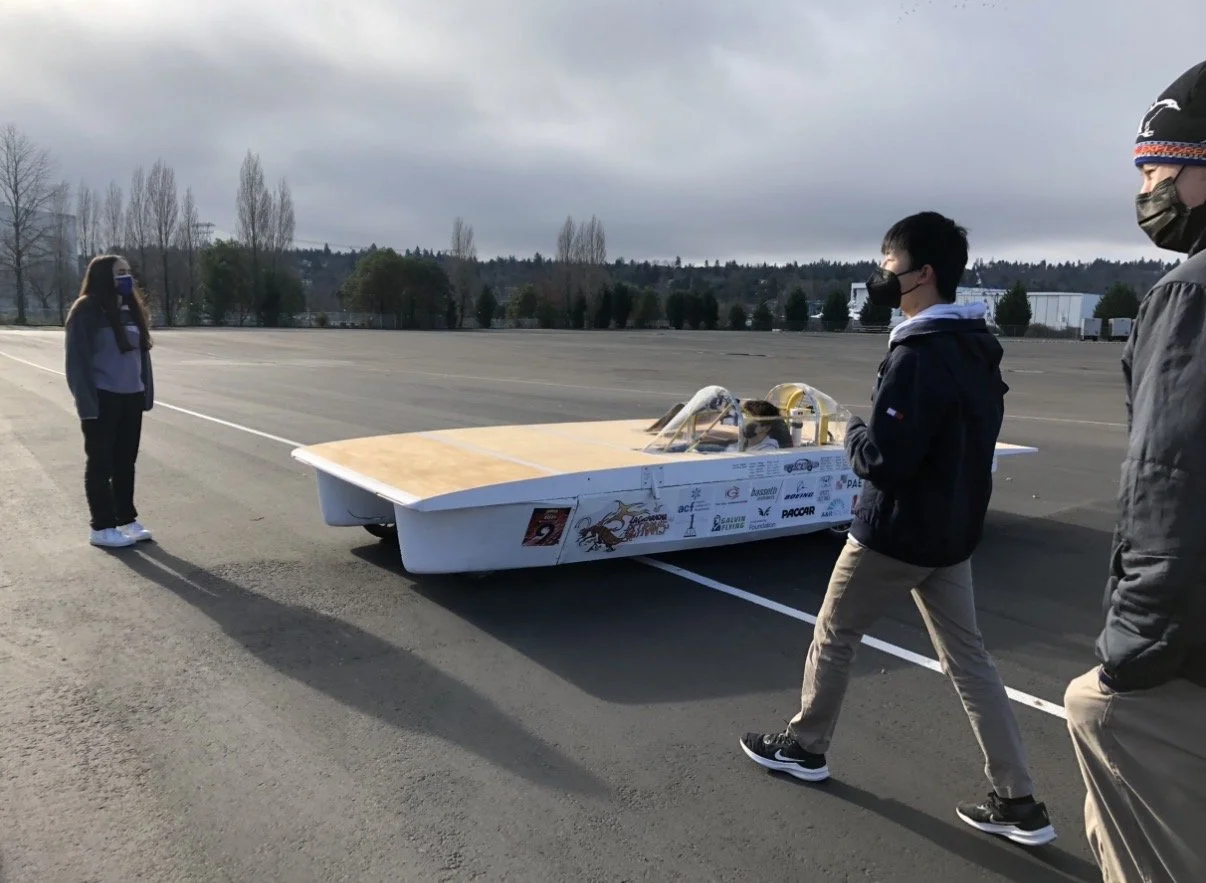
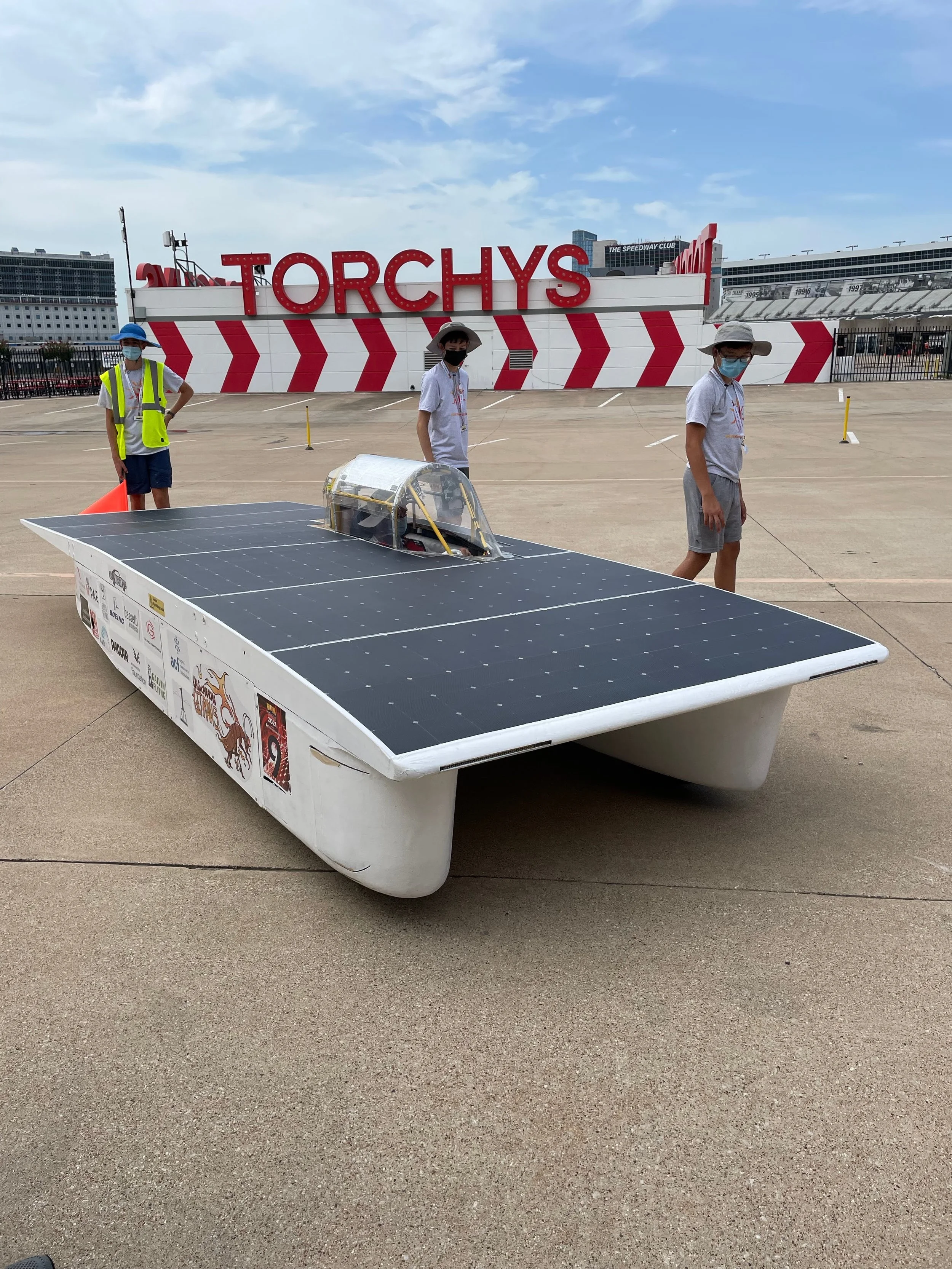
La Cucaracha was our first catamaran car. We chose this design due to the stability that it offered, as well as the amazing amount of solar cells we could fit on the top, all while having great aerodynamics.
Carbon Fiber Array Structure
We also started getting into some basic composite construction. While weight savings wouldn’t be the most effective on the array frame structure, as we would only realistically cut a few pounds, we used composite materials for it in a simple pattern to gain some experience with the materials. This began the groundwork for future cars…
Plywood and Airplane Fabric Side Panels
One amazing thing about this car was that we used such a simple way to get the aerodynamics. By using airplane fabric in some areas, and plywood in the flat sections we were able to attain significantly better aerodynamics than our 2019 car using light, simple, cheap materials.
Arduino Based Telemetry System
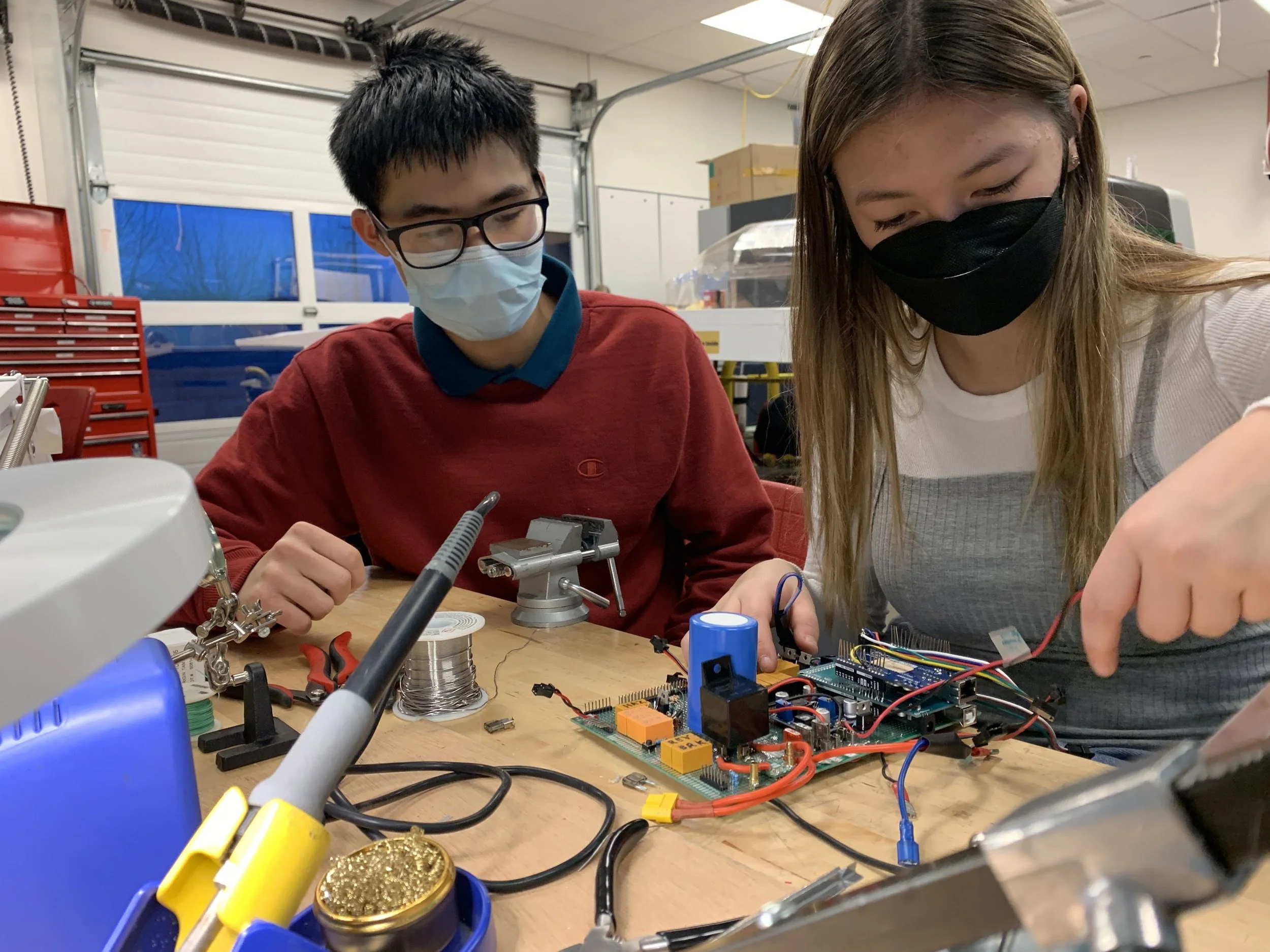
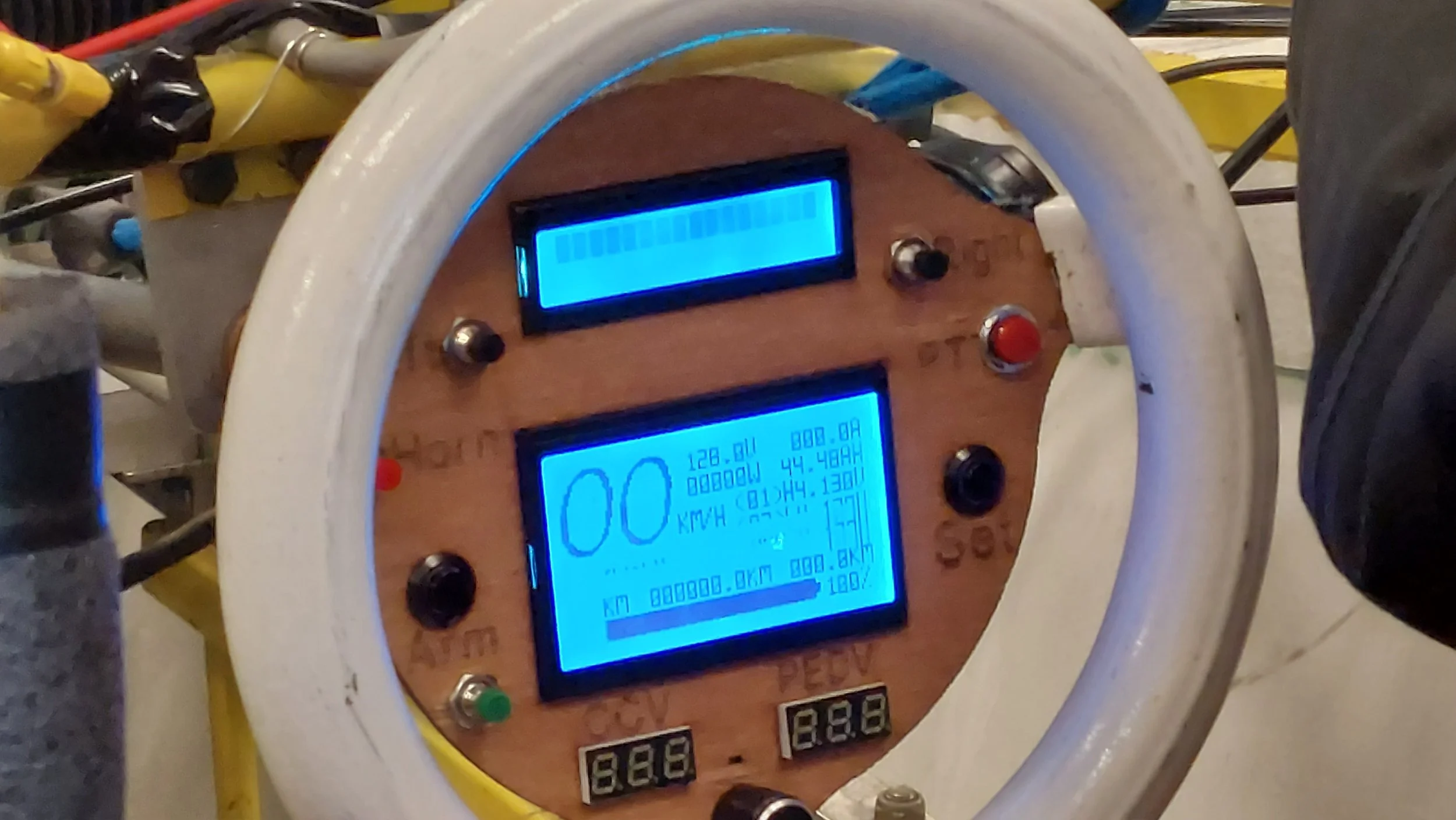
This car also used an Arduino based system for many control systems as well as telemetry, connecting to our cloud server to deposit data. This allowed us to continue to use the extremely good strategy models we had already developed in the past year.